Whey Protein
Shop our high-quality whey protein powders, shakes, and blends for supplements designed to support the growth and maintenance of your muscle mass.
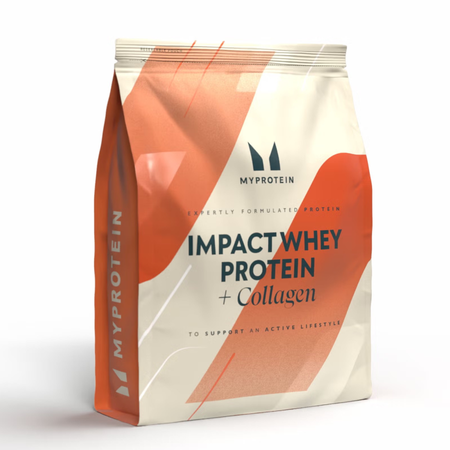
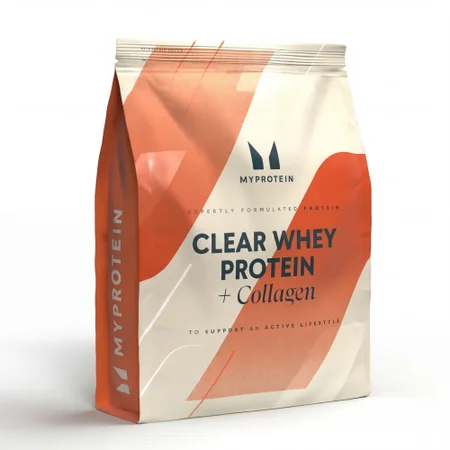
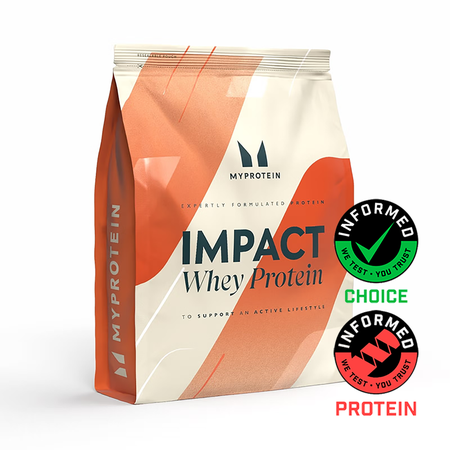

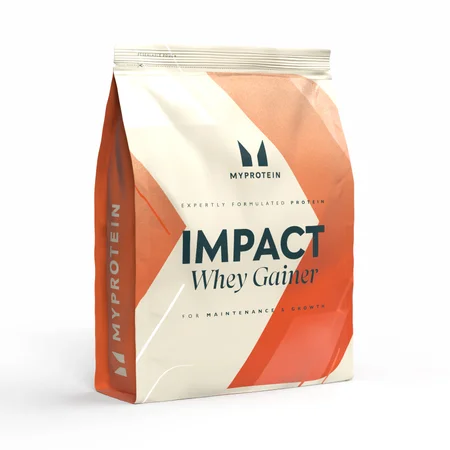
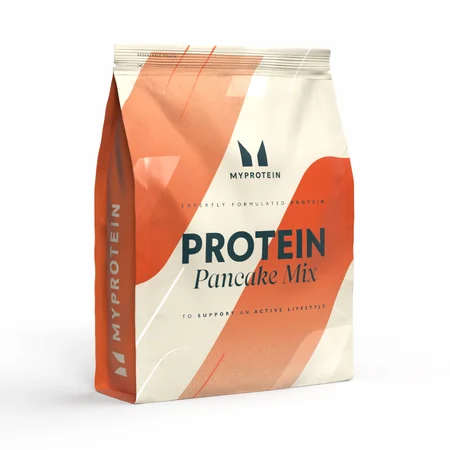
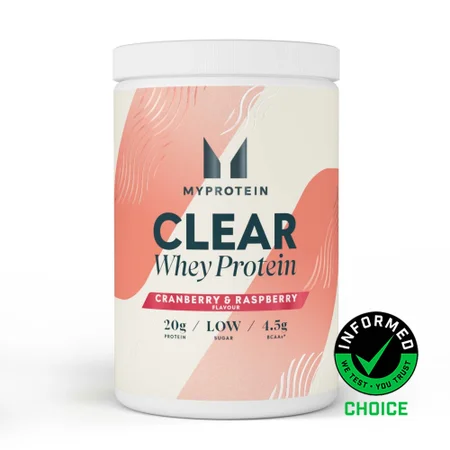
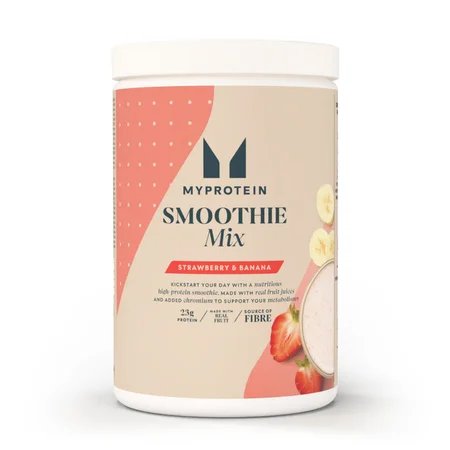
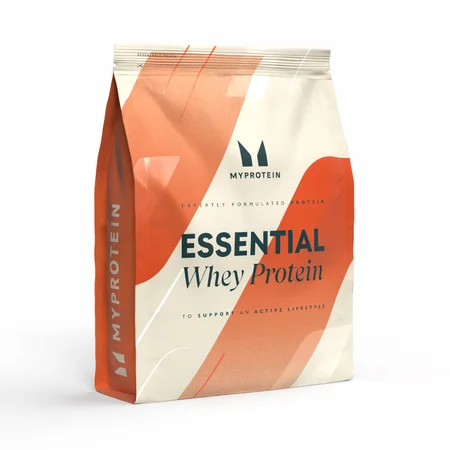
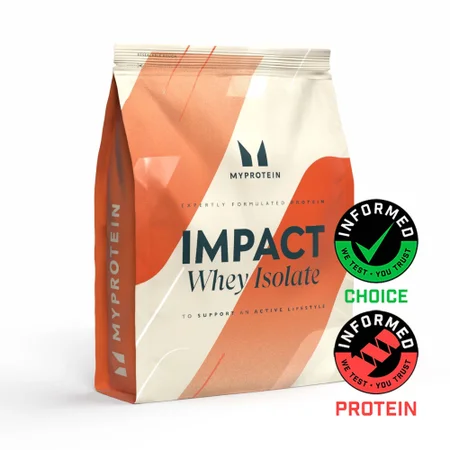
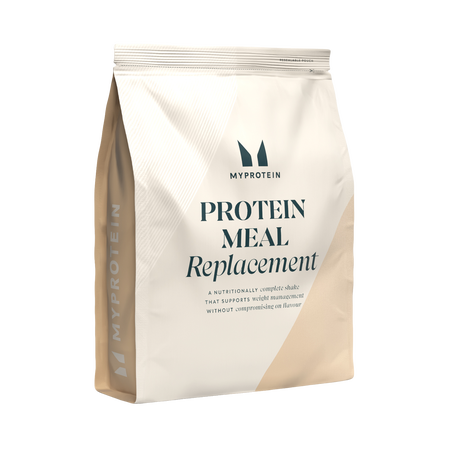
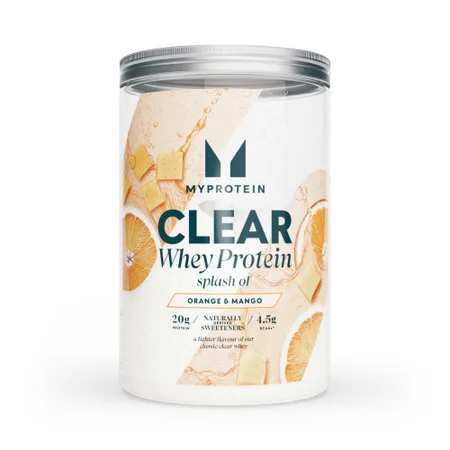
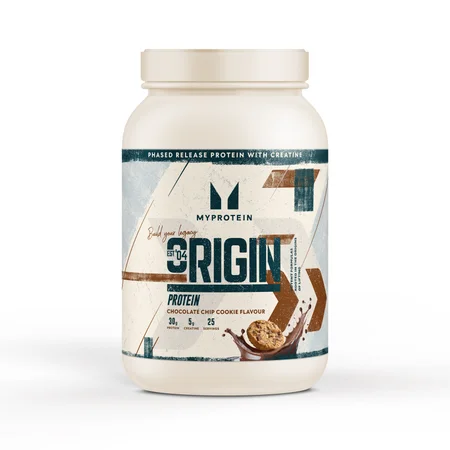
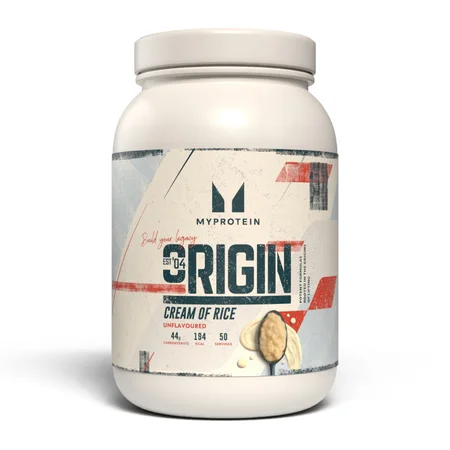


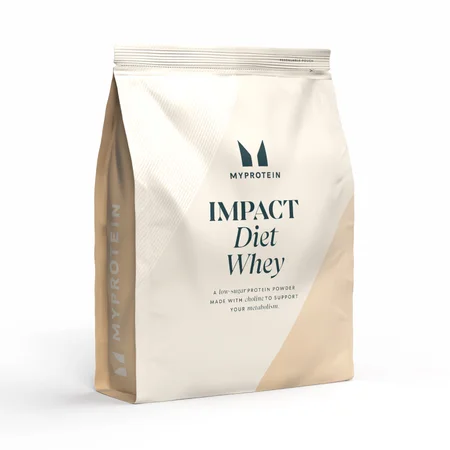
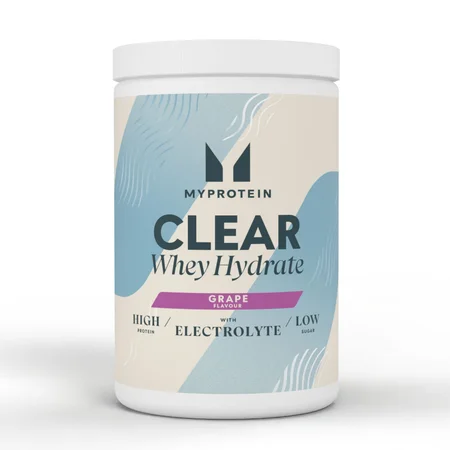
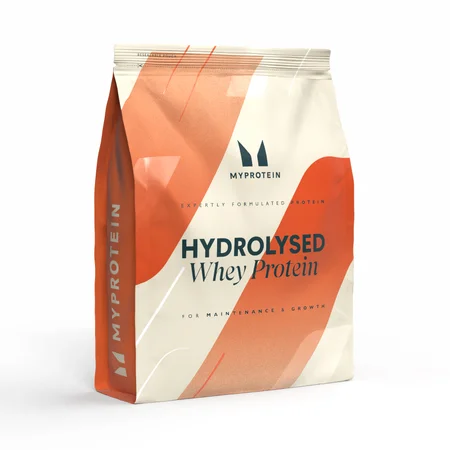
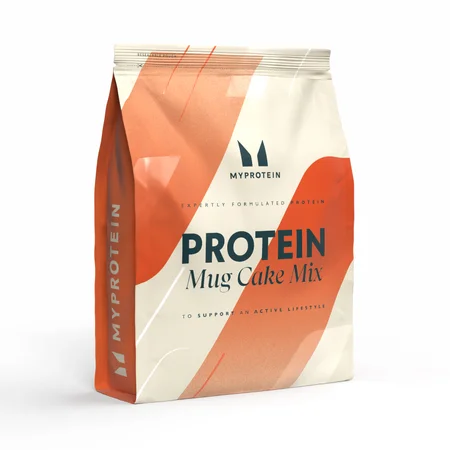
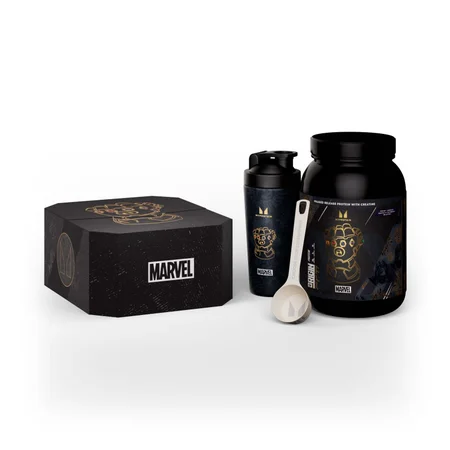
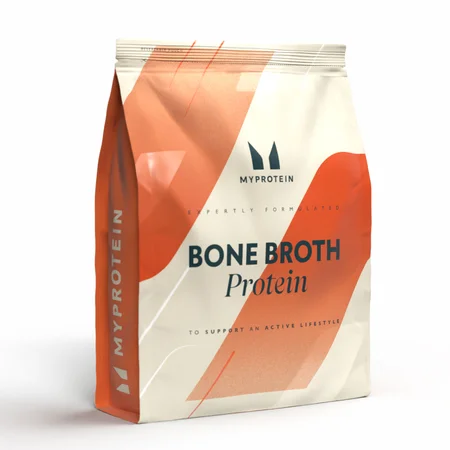
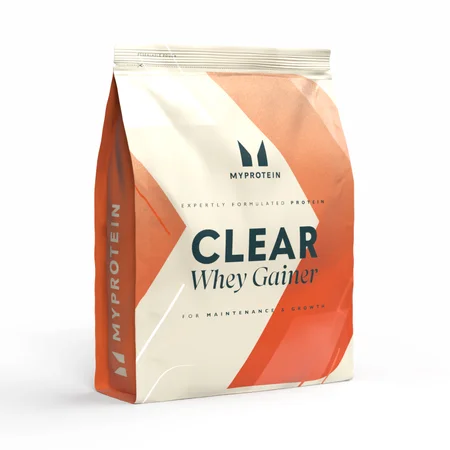

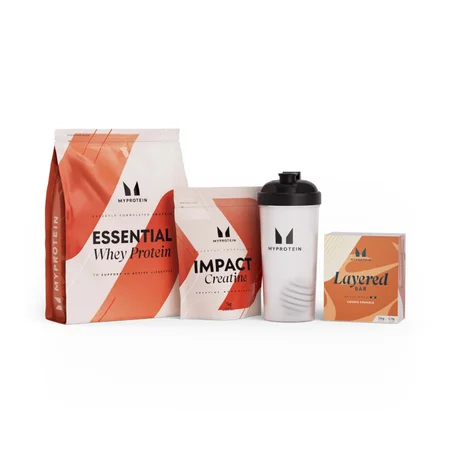
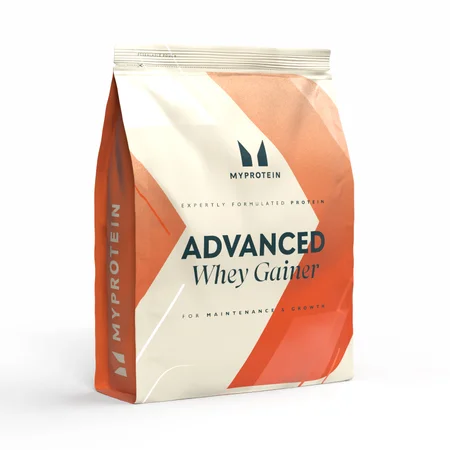
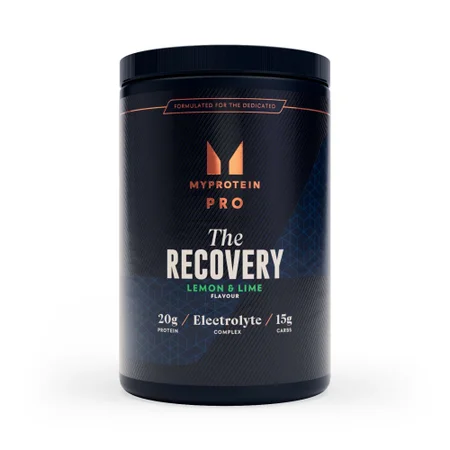
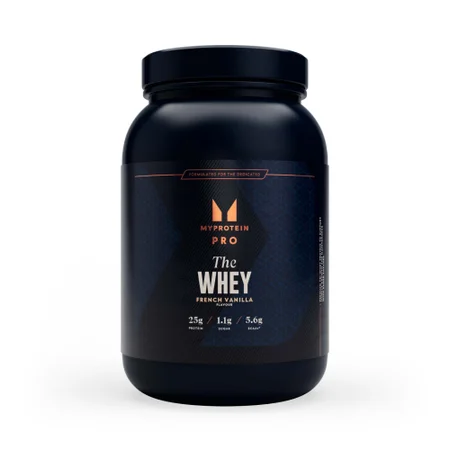
Shop Whey Protein at Myprotein
Whey protein powder is one of the most widely used supplements in sports nutrition — and for good reason. Derived from milk during the cheese-making process, whey is a complete protein source containing all nine essential amino acids. Whether you're training to build strength, working on your physique, or simply looking to hit your daily protein targets, whey protein powder fits easily into any routine.
At Myprotein, the whey protein range spans everything from classic powders and isolates to innovative clear whey formats and collagen blends. Every product is developed by Myprotein's expert nutritionists, so you know exactly what you're getting — high-quality protein in formats that actually work for your lifestyle.
Who Whey Protein Is For
Whey protein is a go-to for gym-goers, athletes, and anyone with an active lifestyle who struggles to meet their daily protein intake through food alone. It's particularly popular with those focused on resistance training, since protein contributes to the growth and maintenance of muscle mass.1 If you're putting in the work at the gym, whey protein powder is one of the most straightforward ways to make sure your nutrition keeps up.
It's not just for seasoned lifters, either. If you're new to training and trying to understand the basics of sports nutrition, whey is a solid starting point. Versatile, widely available, and easy to prepare, it suits a broad range of goals — from those hitting the gym several times a week to those simply wanting to add more protein to their diet in a convenient format.
When to Use Whey Protein
The most common time to use whey protein powder is after training. Whey is a fast-digesting protein, meaning it becomes available to the body relatively quickly compared to slower-digesting sources like casein. Many athletes choose to mix a shake within 30–60 minutes of finishing a session as part of their post-workout nutrition routine.
That said, there's no single "right" time — whey protein fits just as well into a morning smoothie, a mid-afternoon snack, or any moment during the day when a protein top-up makes sense. The key is consistency with your overall daily protein intake rather than obsessing over exact timing. Protein contributes to the maintenance of muscle mass1 regardless of when you consume it, so find a routine that works for you.
Whey Protein Benefits
A Complete Amino Acid Profile
Whey is a complete protein, meaning it contains all nine essential amino acids — the ones your body can't produce on its own and must get from food or supplementation. This makes whey protein powder a nutritionally comprehensive choice compared to many plant-based alternatives, which often need to be combined to achieve a comparable amino acid profile.
Supports Your Muscle Goals
Protein contributes to a growth in muscle mass and to the maintenance of muscle mass.1 For anyone training with weights or looking to preserve lean tissue during a calorie deficit, getting enough protein daily is a fundamental part of the equation — and whey protein makes hitting that target considerably easier.
Versatile Formats for Every Preference
From classic shaker-ready powders to light, juice-like clear whey options, there's a whey protein format to suit almost every taste and routine. Whey protein isolate is a further-filtered version with a higher protein percentage per serving and lower levels of fat and lactose, making it a popular pick for those with specific dietary preferences or calorie targets.
Bone Health
Protein isn't only relevant for muscle — protein also contributes to the maintenance of normal bones.2 Whey protein powder can therefore play a role in a well-rounded approach to long-term physical health, not just gym performance.
Popular Picks
After an all-in-one formula? Impact Whey Protein + Collagen - A whey-based mass gainer that combines protein with carbohydrates, designed for those looking to increase their total calorie intake alongside their training.
FAQs
What is whey protein?
Whey protein is a protein derived from milk — specifically, it's separated from the liquid whey produced as a by-product during cheese manufacturing. It's a complete protein, meaning it contains all nine essential amino acids. It's available in several forms, including whey concentrate, whey protein isolate, and hydrolysed whey, each with slightly different protein content and processing levels.
What's the difference between whey protein concentrate and whey protein isolate?
Whey concentrate is the most common form — it's less processed and typically contains around 70–80% protein by weight, with small amounts of fat and lactose. Whey protein isolate goes through additional filtration steps, resulting in a higher protein percentage per serving (often 90%+) and lower levels of fat and lactose.
Isolate tends to be a popular choice for those with specific calorie targets or who are sensitive to lactose, while concentrate works well for most people as an everyday protein source.
How much whey protein should I take per day?
There's no single universal answer — it depends on your body weight, training intensity, and how much protein you're already getting from food. A common approach is to use whey protein to bridge the gap between your dietary protein intake and your daily target. Each serving of whey protein powder typically provides 20–25g of protein, which many people incorporate once or twice a day alongside meals.
When is the best time to take whey protein powder?
Whey protein can be taken at any point during the day when you need to increase your protein intake. Post-training is the most popular timing, given that whey is a fast-digesting protein, but it's equally effective as a morning addition to breakfast or as a convenient mid-day snack. Consistency with your total daily protein intake matters more than pinning down a specific window.
Is clear whey protein the same as regular whey protein?
Clear whey protein uses whey protein isolate as its base, but it's formulated differently so that it mixes into a light, clear, juice-like drink rather than a milky shake. The protein content is comparable, but the texture and experience are quite different. It's a popular alternative for those who find traditional thick shakes too heavy, particularly in warmer weather.
What is a whey gainer?
A whey gainer — sometimes called a mass gainer — combines whey protein with a significant amount of carbohydrates in a single serving. The result is a higher-calorie product compared to standard whey protein powder. It's designed for people who are looking to substantially increase their total daily calorie intake, often alongside a resistance training programme aimed at building size and mass.
How is Myprotein's whey protein developed?
Myprotein's whey protein range is developed by Myprotein's expert nutritionists. Every formula is created with specific goals and training contexts in mind, using ingredients chosen for quality and consistency. The range is manufactured to high standards to ensure you know exactly what you're getting in every serving.
Can I use whey protein as part of a weight management plan?
Whey protein powder can form part of a calorie-controlled diet, as getting adequate protein is a key consideration for anyone managing their weight alongside training. Protein contributes to the maintenance of muscle mass,1 which is particularly relevant when in a calorie deficit. That said, whey protein is a food supplement — it should complement a balanced diet rather than replace whole food meals.
Which whey protein is best for beginners in Singapore?
If you're new to whey protein in Singapore, the Impact Protein Variety Pack is a practical first step — it lets you try multiple flavours across 10 servings before committing to a larger bag. The classic Impact Whey Protein Powder is also a straightforward option with a wide flavour range and a well-established formula. Both are developed by Myprotein's expert nutritionists and are easy to incorporate into an everyday routine.
Does whey protein only benefit muscle?
Protein has a broader role beyond muscle alone. Protein contributes to the growth and maintenance of muscle mass,1 and it also contributes to the maintenance of normal bones.2 Whey protein powder, as a high-quality complete protein source, can therefore be a useful part of a well-rounded approach to physical health — not just a tool for gym performance.
1. Protein contributes to a growth in muscle mass. Protein contributes to the maintenance of muscle mass.
2. Protein contributes to the maintenance of normal bones.