Nut Butters
5 Results
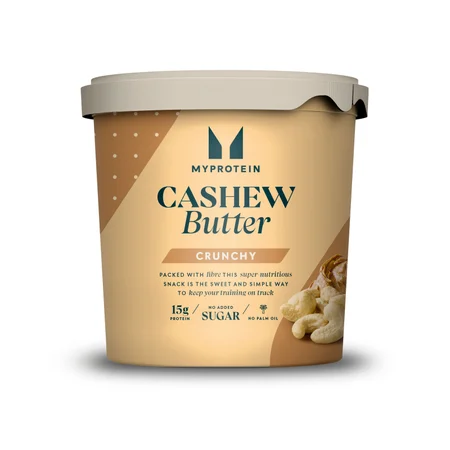
Shop Nut Butters at Myprotein
Peanut butter, almond butter, cashew butter — nut butters are one of the most versatile staples in any food cupboard. Whether you're spreading them on rice cakes, stirring them into oats, or blending them into a shake, they deliver real flavour alongside a natural source of protein1 and healthy fats. The range here covers everything from classic all-natural peanut butter to powdered formats, so there's something for every preference and routine.
Every nut butter in the range is made with quality ingredients and no unnecessary additives. That means you get the straightforward, honest nutrition that comes from the nuts themselves — nothing more, nothing less. From smooth and creamy to high-protein powdered options, these are nut butters built for people who take their food seriously.
Who Nut Butters Are For
Nut butters work for a wide range of people — from those who train regularly and want a convenient source of protein1 and healthy fats, to anyone simply looking to eat well without relying on heavily processed foods. They're a natural fit for gym-goers, those following high-protein diets, and anyone who wants a satisfying, nutrient-dense addition to their meals or snacks.
They're equally well-suited to those cutting down on processed spreads and looking for a cleaner, all-natural alternative. If you're tracking macros, experimenting with different nut butter varieties, or just after something that tastes great and does a decent nutritional job, this range has you covered.
When to Use Nut Butters
Nut butters are genuinely flexible — there's no single right time to use them. A spoonful stirred into morning porridge, spread on toast before a workout, or added to a post-training smoothie all make sense. Because they contain protein1 and fats that take time to digest, many people reach for them between meals when they want something substantial rather than a quick sugar hit.
Powdered peanut butter opens up even more options — it mixes cleanly into shakes, batter, and sauces without changing the texture the way a traditional butter might. Whether you're prepping food for the week or looking for something quick to add flavour and nutrition to a meal, nut butters slot in easily at any point in the day.
Nut Butters Benefits
A Natural Source of Protein
Nut butters are a naturally protein-rich food, making them a practical way to add more protein into your daily diet. Protein contributes to the growth and maintenance of muscle mass1, which is why they're a popular choice among those who train. Whether you're using a traditional all-natural version or the high-protein powdered format, you're getting genuine nutritional value with every serving.
Packed With Healthy Fats
Nuts are naturally high in unsaturated fats — the kind that make up a well-rounded, balanced diet. These fats contribute to the rich, satisfying texture that makes nut butters so enjoyable to eat, and they're a far cry from the refined oils and additives found in lower-quality spreads. All-natural formats keep it exactly as it should be: just the nuts, just the fats that come with them.
Versatile Across Multiple Formats
The range spans both traditional and powdered nut butters, giving you genuine flexibility depending on how you plan to use them. Traditional butters work brilliantly for spreading and stirring, while powdered peanut butter is high in fibre and high in protein, making it a smart option for blending into shakes or baking without adding bulk. Having both formats available means you're not locked into one way of eating them.
Clean, All-Natural Ingredients
All-natural nut butters contain exactly what they say — nuts. No palm oil, no unnecessary fillers, no artificial flavourings. For anyone paying attention to ingredient lists and wanting food that's as close to its natural state as possible, these butters are a straightforward choice. Almond butter, cashew butter, and peanut butter all fall into this category across the range.
Popular Picks
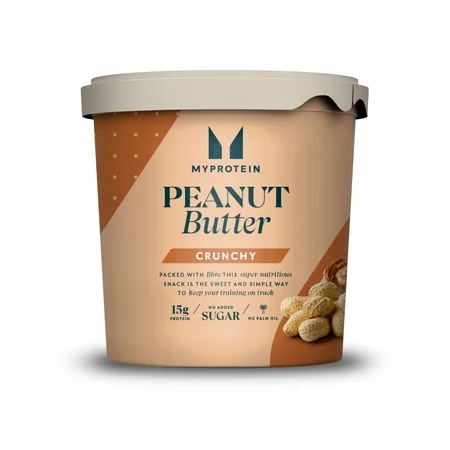
All-Natural Peanut Butter — A genuinely all-natural peanut butter that tastes great and contributes to a reduction in tiredness and fatigue.
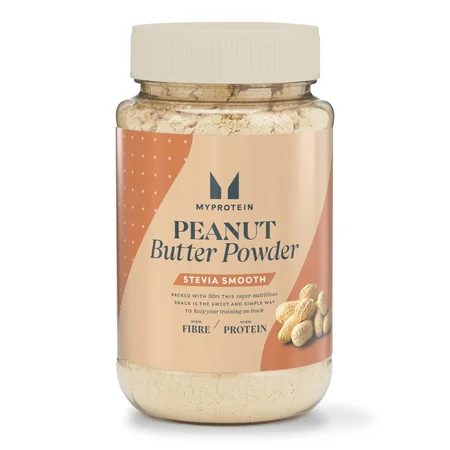
Powdered Peanut Butter — All the flavour of peanut butter with 70% less fat than supermarket alternatives, plus high levels of protein and fibre packed in.
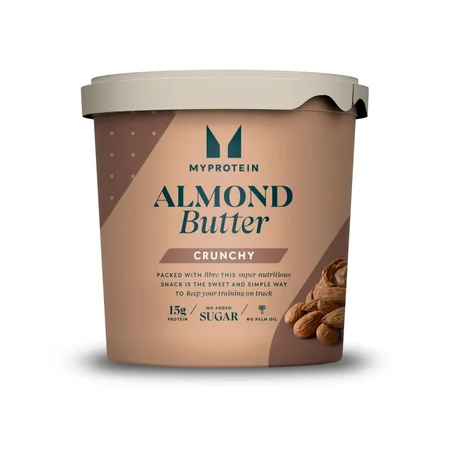
All-Natural Almond Butter — A natural almond butter with protein that contributes to the maintenance of muscle mass and magnesium that contributes to a reduction in tiredness and fatigue.
FAQs
What is peanut butter good for?
Peanut butter is a natural source of protein and healthy fats, making it a popular addition to meals and snacks for people across all kinds of diets and training routines. Protein contributes to the growth and maintenance of muscle mass1, so peanut butter is a practical, food-first way to work more into your day. It's also versatile — it works in everything from porridge and smoothies to sauces and baking.
What's the difference between peanut butter and powdered peanut butter?
Traditional peanut butter is made from ground roasted peanuts, giving it the familiar thick, spreadable texture. Powdered peanut butter is made by pressing out most of the natural oils and grinding the remaining solids into a powder — the result is a product that's high in protein and high in fibre, with a lighter profile that blends cleanly into shakes, oats, and batters. Both are made from real peanuts; the format is simply different depending on how you want to use it.
Is almond butter better than peanut butter?
Neither is objectively better — they're simply different. All-Natural Almond Butter has its own distinct flavour profile and is a natural source of protein1, while All-Natural Peanut Butter is typically higher in protein gram-for-gram and is one of the most popular nut butters for good reason. The best choice comes down to taste preference and how you plan to use it. Many people keep both in the cupboard for variety.
What are nut butters made from?
Nut butters in this range are made from roasted nuts — peanuts, almonds, or cashews depending on the variety — with no artificial additives, palm oil, or unnecessary fillers. The all-natural formats contain just the nuts themselves, keeping the ingredient list clean and straightforward. Powdered peanut butter follows the same principle but with most of the natural oils removed, resulting in a lighter, more mixable format.
How should I use nut butter in my diet?
Nut butter fits into almost any meal or snack. Spread it on toast or rice cakes, stir it into porridge or Greek yoghurt, blend it into a protein shake, or use it as a base for sauces and dressings. Powdered peanut butter works particularly well mixed into shakes or baked goods where you want the flavour without changing the texture. There's no single correct way — it comes down to what works for your routine and your meals.
Which nut butter should I choose?
If you want a classic, crowd-pleasing option, All-Natural Peanut Butter is a strong starting point — it's a source of protein1, naturally delicious, and works across the widest range of uses. For something with a slightly different flavour and nutritional profile, All-Natural Almond Butter is worth exploring. If you want a high-protein, high-fibre format that mixes into shakes without altering texture, Powdered Peanut Butter is the one to go for. The range is designed so you can try across varieties and find what fits your diet best.
Are nut butters suitable for different types of diet?
All nut butters in the range are plant-based and free from artificial additives, making them compatible with vegan, vegetarian, and clean-eating approaches. They're naturally gluten-free (though always worth checking individual labels for allergen information), and their protein and fat content makes them a useful inclusion in higher-protein and lower-carbohydrate eating patterns. Always check the label for specific allergen and dietary information relevant to your needs.
How many nut butter varieties are available?
The range currently includes peanut butter, powdered peanut butter, almond butter, and cashew butter — covering the most popular nut butter options with both traditional and powdered formats. Whether you're looking for a single go-to or want to rotate across varieties, there's enough range to keep things interesting without overcomplicating your choices.
Who developed the nut butters at Myprotein?
The nut butters are developed by Myprotein's expert nutritionists, who focus on keeping the formulas clean, natural, and genuinely useful. The goal is straightforward: high-quality nuts, honest ingredients, and no unnecessary additions. That same nutritional philosophy runs across the whole range, from the all-natural butters through to the powdered format.
Can I use nut butter as a post-workout snack?
Nut butter is a popular post-workout option for many people because of its natural protein content — and protein contributes to the maintenance of muscle mass1. Pairing a nut butter with a carbohydrate source like oat cakes, banana, or toast is a common approach after training. The exact timing and quantities depend on your individual goals and the rest of your diet, but nut butter is a practical, food-first way to get protein in after exercise.
1. Protein contributes to the growth and maintenance of muscle mass.