Whether you're training in the summer heat or pushing through a tough session in the gym, one thing remains certain: you're going to sweat. And when you sweat, you lose more than just water. You lose essential electrolytes — minerals that play a critical role in everything from muscle contractions to energy metabolism.
Getting your hydration right is one of the most impactful things you can do for your performance and recovery, whatever the season. Here's everything you need to know.
Why hydration matters for exercise
Staying hydrated is one of the most fundamental aspects of exercise performance and one of the most overlooked. Even a 1-2% drop in body mass from fluid loss can reduce endurance and aerobic capacity.
Sweat is the body's primary cooling mechanism during exercise, helping to regulate core temperature and prevent overheating. However, sweating also results in the loss of both fluids and electrolytes.
Research shows that some athletes can lose more than 1-2 litres of sweat per hour during intense exercise, particularly in hot conditions. Alongside water, sweat contains electrolytes such as sodium, potassium, magnesium and calcium, which play essential roles in maintaining fluid balance, supporting muscle contractions and nerve signalling, and helping the body function normally.1,3
If these losses aren't adequately replaced, the risk of dehydration increases, which can contribute to muscle cramps, dizziness, fatigue and a decline in exercise performance.3
Hydration is especially important in summer
All of the above is true year-round, but the stakes are higher in summer. Higher temperatures and humidity accelerate sweat loss significantly, meaning you can reach a meaningful fluid deficit faster than you might expect.
Heat also places additional strain on the cardiovascular system, making effective hydration even more critical for both performance and safety.
What affects your hydration levels?
Several factors can influence how much you sweat, and how much you need to rehydrate:
- Workout intensity and duration
- Temperature and humidity (training indoors or outside)
- Your individual sweat rate and composition
- Clothing and training gear
- Caffeine or alcohol intake before training
The higher the temperature and effort, the more strategic you need to be with your hydration before, during and after your workout.
How much water do you need?
According to NHS guidance, most adults should aim for 6 to 8 cups of fluid per day or around 1.5 to 2 litres. During exercise, this increases depending on how hard you're working, how warm it is, and how much you sweat.
A simple guide for exercise:
Before: Drink one water bottle (500ml) one to two hours before exercising. Check your urine — a pale yellow colour indicates good hydration, while darker urine suggests dehydration.
During: For sessions over an hour, aim for around half to one full water bottle (250–500ml) per hour, sipping regularly rather than drinking large amounts at once. In hot conditions or during high-intensity efforts, lean towards the higher end.
After: Keep drinking steadily after your session until your urine returns to pale yellow. For longer sessions where you've sweated heavily, this may take a couple of bottles.
These are practical starting points, and individual needs vary based on body size, fitness level, and other factors.3 If you're training for an endurance event or competing in warm conditions, it's worth developing a personalised hydration plan based on your individual sweat rate.
Water alone isn't always enough
While water is essential, it doesn't replace the electrolytes lost through sweat. During longer or more intense training sessions, particularly in hot conditions, replacing both fluids and electrolytes can help support hydration and maintain performance.1
Relying solely on water may not always be enough. In some cases, excessive intake of plain water without adequate sodium replacement can contribute to exercise-associated hyponatraemia, a potentially serious condition caused by low blood sodium levels.
Electrolyte-containing drinks, tablets, and powders can help replace sodium and other electrolytes lost through sweat, supporting fluid balance and promoting effective rehydration during and after prolonged or intense exercise.5
Signs of dehydration you shouldn't ignore
Early signs of dehydration can include increased thirst, muscle weakness or cramping, headaches, reduced exercise performance, dark urine, and impaired concentration. Even mild dehydration may negatively affect physical and cognitive function, underscoring the importance of proactive hydration strategies before symptoms develop.
Whether you're training for performance or general fitness, watch out for these early warning signs:
- Persistent thirst
- Muscle cramps or weakness
- Reduced endurance or coordination
- Headaches or nausea
- Dark yellow urine
- Difficulty concentrating or brain fog
Hydration tips for training
Building a consistent hydration strategy is more effective than reacting to thirst. Here are the key principles:
- Pre-hydrate: Start sessions already hydrated – aim to drink 400-600ml of water in the two hours before exercise.
- Hydrate during: Sip water or an electrolyte drink every 15-20 minutes for workouts over an hour.
- Fuel recovery: Rehydrate with added electrolytes after your session to speed up recovery and reduce muscle soreness.
- Listen to your body: Thirst, fatigue, cramps and brain fog are early warning signs.
- Use smart hydration tools: Electrolyte blends, hydration tablets and intra-workout formulas are particularly useful for longer or more intense sessions.
Heat safety during summer training
Hot weather makes hydration more critical, but it also means being sensible about how and when you train.
A few practical guidelines:
- Time your sessions wisely: Avoid training outdoors during the hottest part of the day, typically between 11am and 3pm. Early morning or evening sessions are cooler and safer.
- Build up gradually: If you're not used to exercising in the heat, reduce your usual intensity and duration until your body adapts.
- Know the warning signs: Dizziness, nausea, sudden fatigue, or muscle cramps during a session in the heat are signals to stop, find shade, and rehydrate. Don't push through them.
- Dress for the conditions: Lightweight, breathable clothing helps your body regulate temperature more effectively.
- Never ignore thirst: In hot weather, thirst is a delayed signal – by the time you feel it, you may already be dehydrated.
Myprotein Supplements to Support Hydration
When water isn't enough, hydration supplements can help. Each of the products below is designed to replace essential electrolytes, support muscle function, and keep you performing and recovering at your best.
THE Electro
Built for athletes who take hydration seriously, THE Electro delivers over 1,000mg of key electrolytes per serving:
- 650mg sodium to aid hydration and fluid balance
- 300mg potassium to support normal muscle function
- 60mg magnesium to maintain electrolyte balance
Hydration that fuels focus, recovery and relentless performance.
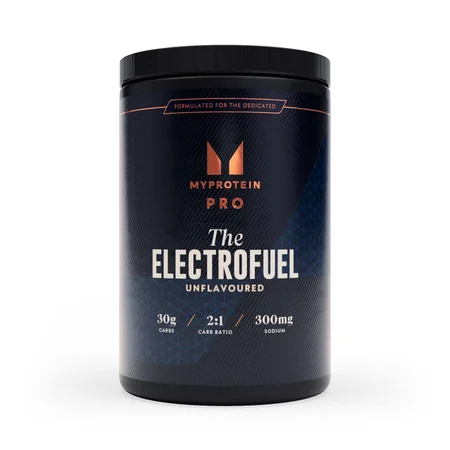
THE Electrofuel
This high-intensity, intra-workout drink delivers fast-absorbing energy and hydration where you need it most:
- 30g fast-absorbing carbohydrates (2:1 maltodextrin-to-fructose ratio)
- 300mg sodium to replace minerals lost in sweat
Ideal for long training sessions or endurance races.
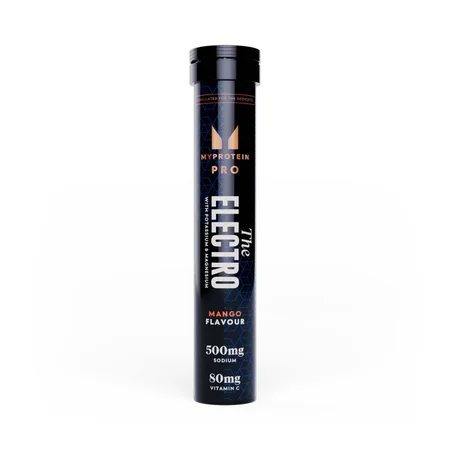
THE Electro Effervescent Tablets
Drop one in your water bottle for quick hydration support:
- 500mg sodium per tablet
- Vitamin C to support immune health and reduce fatigue
- Vitamin B12 helps support psychological function
- Zero added sugar
- Vegan friendly and Informed Choice certified
Convenient, effective and perfect for on-the-go training days.
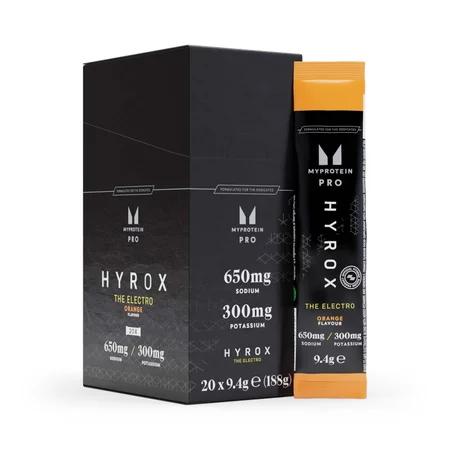
THE Electro Stick Pack
Powerful hydration support in a single-use stick — ideal for training and competition:
- 650mg sodium, 300mg potassium, and magnesium
- Added vitamins C, E, B2, B6, and A
- Available in Orange and Watermelon
Designed for hydration during high-pressure sessions.
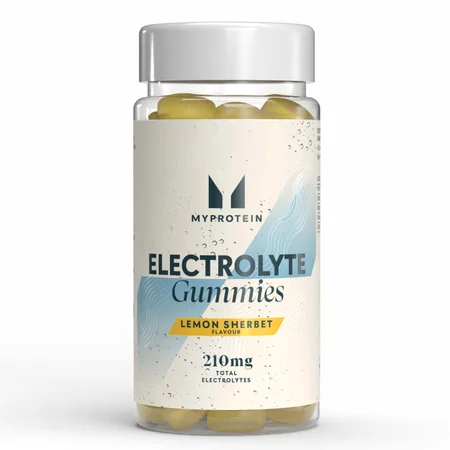
Electrolyte Gummies
Chewable hydration support with a citrus kick:
- 210mg total electrolytes per serving
- 94mg sodium and 56mg magnesium to support muscle function and reduce fatigue
- Zesty lemon sherbet flavour
- No water or shaker required
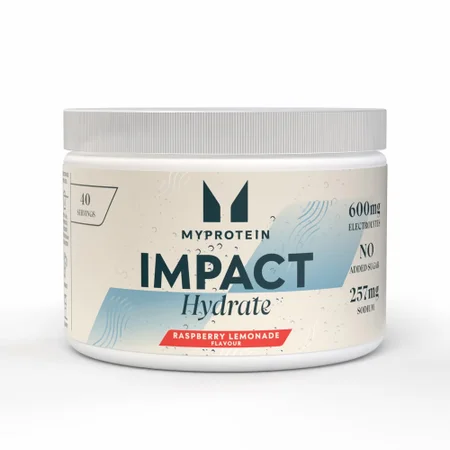
Impact Hydrate
Everyday hydration made easy:
- 600mg electrolytes per serving
- Includes sodium, potassium and magnesium
- Zero added sugar
- 40 servings per tub
A great daily solution to support training and recovery.
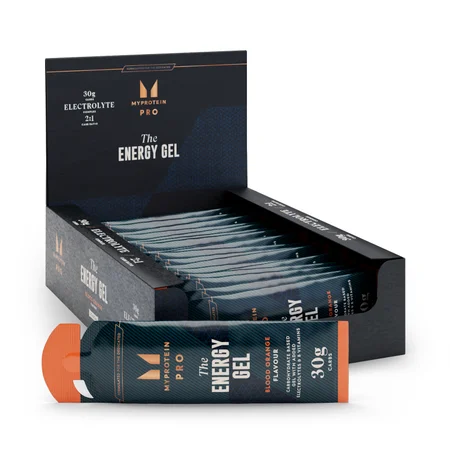
THE Energy Gel
Fuel and hydrate with one portable gel:
- 30g carbohydrates in a 2:1 maltodextrin-to-fructose ratio
- Electrolytes, including magnesium to support rehydration
- B vitamins to support energy metabolism and reduce tiredness
Ideal for high-output training or endurance races.
Hydrate
A simple and effective hydration blend, perfect for everyday use:
- Magnesium to support electrolyte balance
- Vitamin C to reduce fatigue
- Vitamin B12 for cognitive function
- Packed with electrolytes
Hydration Kit — HYROX
Take hydration seriously with the HYROX Hydration Kit. Each kit includes:
- THE Electro (30 servings) with 650mg sodium, 300mg potassium, and 60mg magnesium
- MP HYROX Water Bottle for effortless on-the-go hydration
Everything you need to support hydration and performance.
Take Home Message
Don't let dehydration get the better of you. With a consistent hydration strategy and the right electrolyte support, you can train harder, recover faster, and perform at your best — whatever the season.
Whether you're just starting your fitness journey or pushing your limits, Myprotein's hydration supplements are here to give your body exactly what it needs to perform and recover at its best.
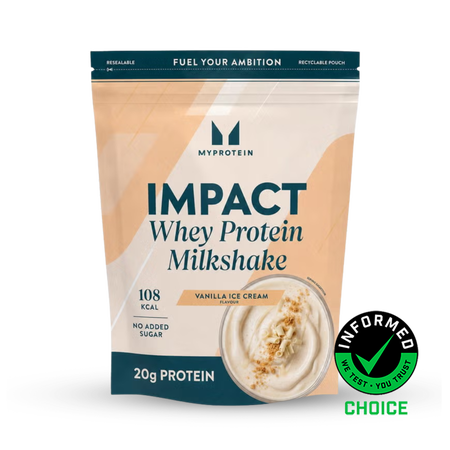
Looking for more ways to support your fitness goals? Browse our whey protein supplements:

Megan Wilson is a certified Personal Trainer and Registered Associate Nutritionist with a Bachelor’s of Science in Nutrition. Megan is currently working towards her PhD which focuses on the post-meal effects of meal macronutrient composition on cardiovascular and metabolic health. Her experience stems from working in the private health sector as a personal trainer and coach, to conducting scientific research into the post-meal effects of low-carbohydrate, high-fat meal consumption, which she has presented at the annual Nutrition Society Conference. Outside of academia, Megan loves hitting the gym, trying new foods, and spending time with friends. Wilson, M. L., Davies, I. G., Waraksa, W., Khayyatzadeh, S. S., Al-Asmakh, M., & Mazidi, M. (2021). The impact of microbial composition on postprandial glycaemia and lipidaemia: A systematic review of current evidence. Nutrients, 13(11), 3887. https://doi.org/10.3390/nu13113887
References:
- Shirreffs, S.M. and Sawka, M.N. (2011). Fluid and electrolyte needs for training, competition, and recovery. Journal of Sports Sciences, 29(S1), 39-46.
- Ravindra, P. V., Janhavi, P., Divyashree, S., & Muthukumar, S. P. (2022). Nutritional interventions for improving the endurance performance in athletes. Archives of Physiology and Biochemistry, 128(4), 851-858.
- Baker, L.B., 2017. Sweating rate and sweat sodium concentration in athletes: a review of methodology and intra/interindividual variability. Sports Medicine, 47, pp.111-128.
- Shrimanker, I., & Bhattarai, S. (2019). Electrolytes. American College of Sports Medicine, Sawka, M. N., Burke, L. M., Eichner, E. R., Maughan, R. J., Montain, S.
- J., & Stachenfeld, N. S. (2007). American College of Sports Medicine position stand. Exercise and fluid replacement. Medicine and Science in Sports and Exercise, 39(2), 377–390. https://doi.org/10.1249/mss.0b013e31802ca597
- NHS. (2022). Water, drinks and hydration. https://www.nhs.uk/live-well/eat-well/food-guidelines-and-food-labels/water-drinks-nutrition/
- Baron, S., Courbebaisse, M., Lepicard, E.M. and Friedlander, G., 2015. Assessment of hydration status in a large population. British Journal of Nutrition, 113(1), pp.147-158.
- Montain, S. J., Cheuvront, S. N., & Sawka, M. N. (2006). Exercise associated hyponatraemia: quantitative analysis to understand the aetiology. British journal of sports medicine, 40(2), 98-105.
- Cheuvront, S. N., & Kenefick, R. W. (2014). Dehydration: physiology, assessment, and performance effects. Comprehensive physiology, 4(1), 257-285.