Protein Foods
It can be tricky to stay topped up on protein when you’re on-the-go. That’s why we’ve created a delicious range, including high-protein foods, to boost your intake throughout the day.
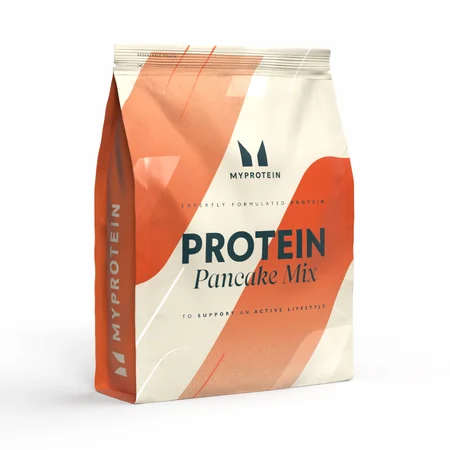
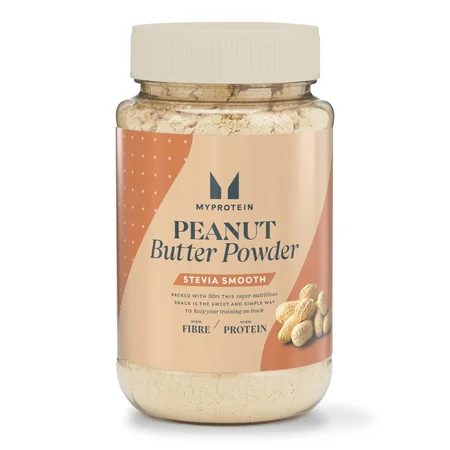
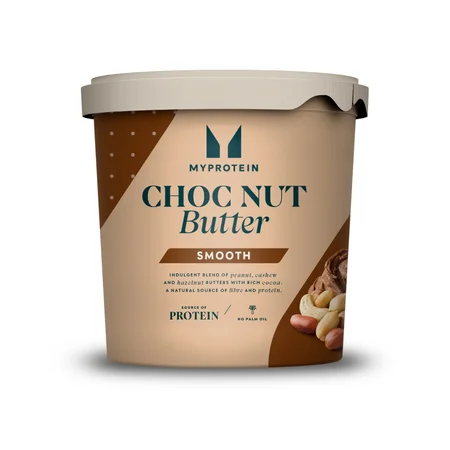
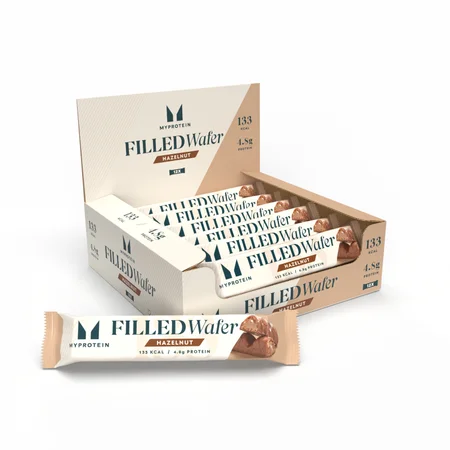
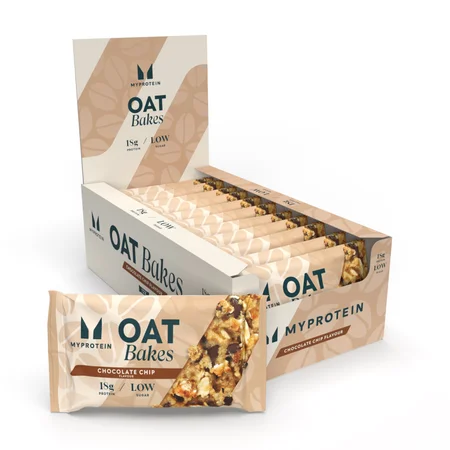

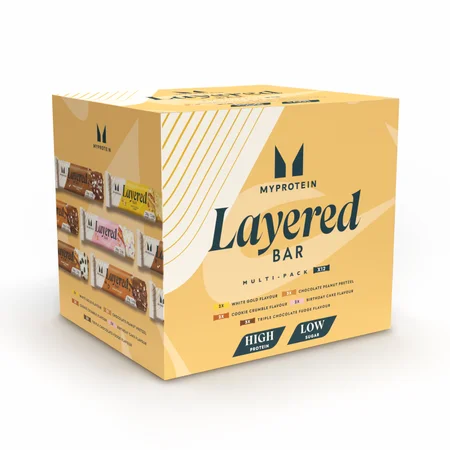
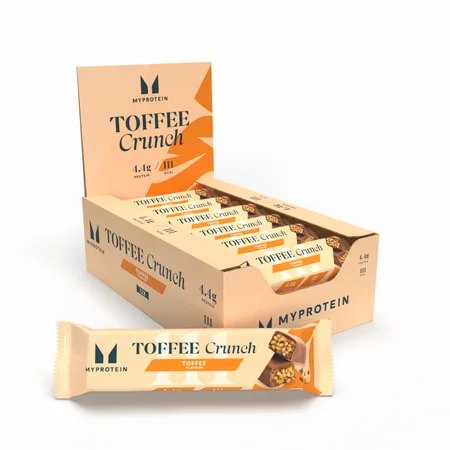
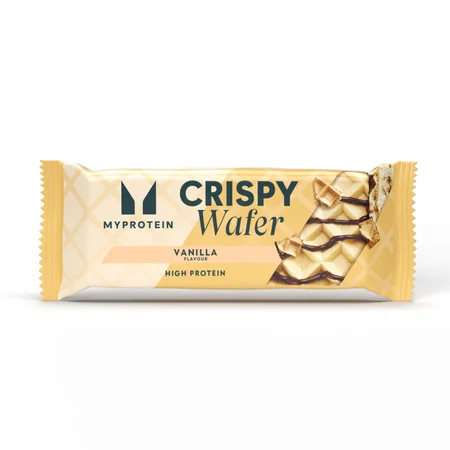
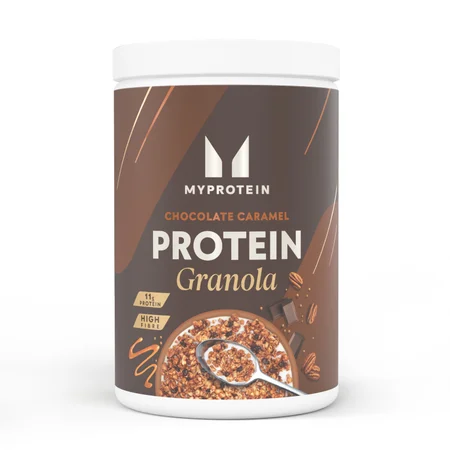
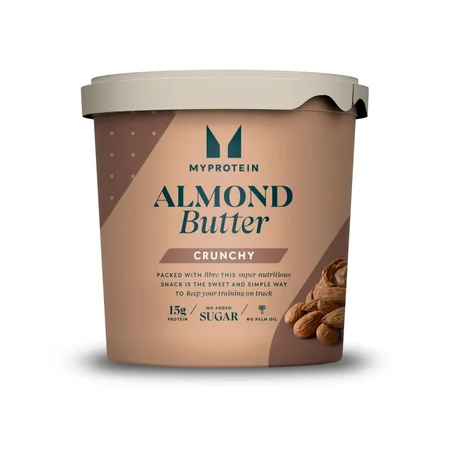
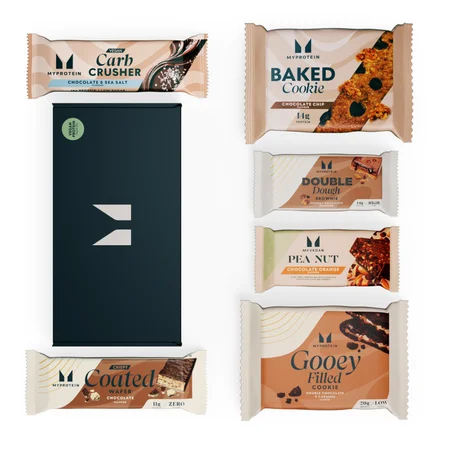
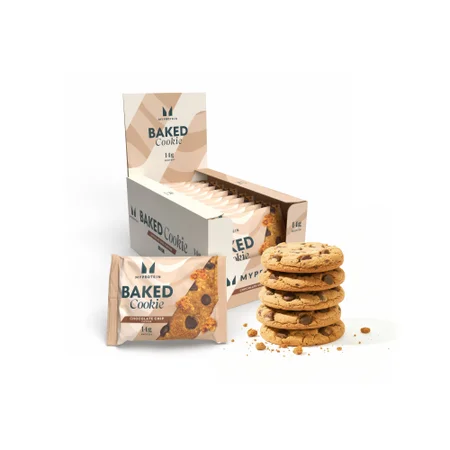
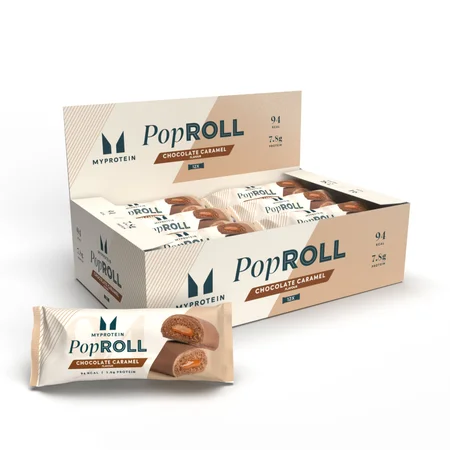
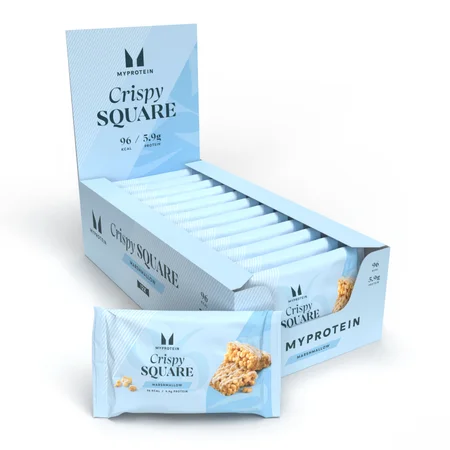
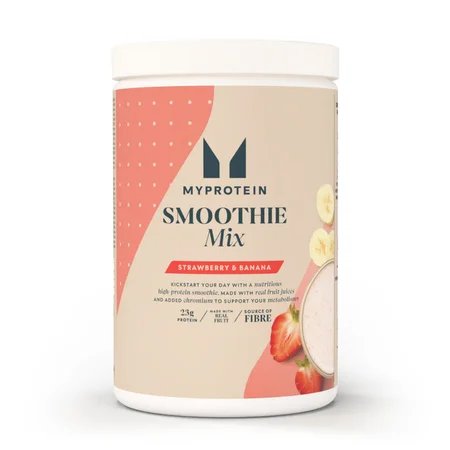

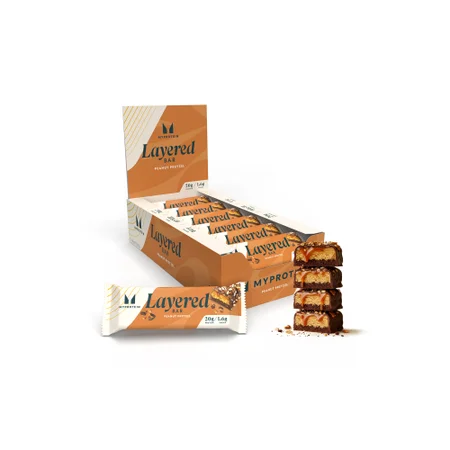
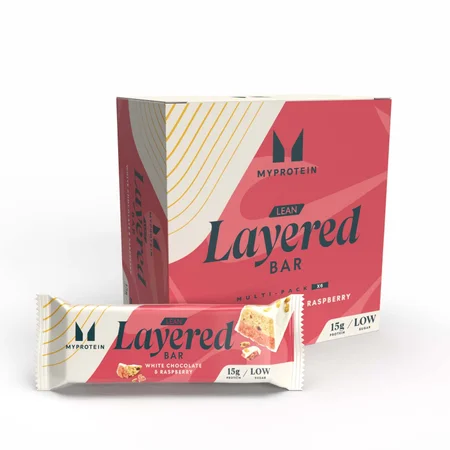
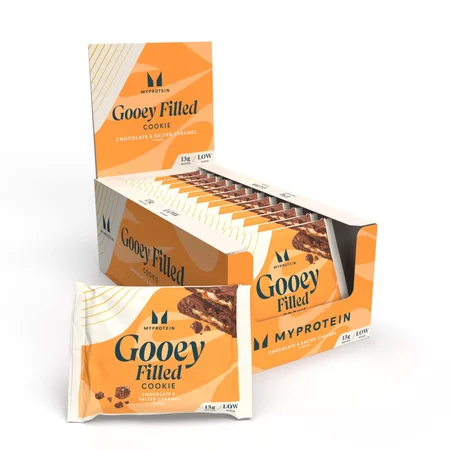
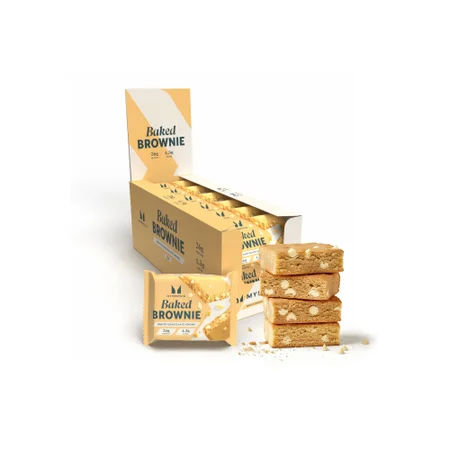
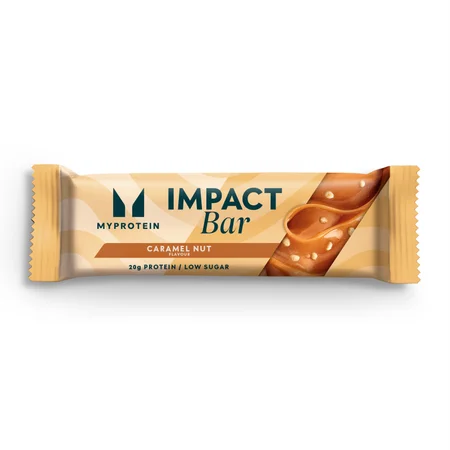

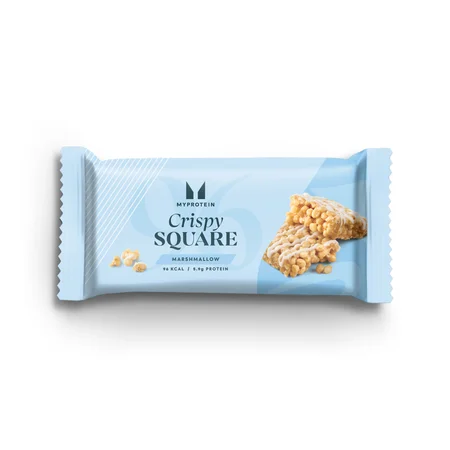
Shop Protein Foods at Myprotein
High protein foods are one of the smartest ways to hit your daily protein targets without relying solely on shakes and supplements. The Protein Foods range covers everything from flapjacks and brownies to nut butters and granola — real food formats that deliver serious protein content in every serving. Whether you're tracking macros or just trying to eat smarter, there's something here that fits your routine.
With over 20 products across the range, protein snacks have never been this varied. Each product is developed to pack in meaningful amounts of protein — many delivering 20g or more per serving — without compromising on taste. These are foods you'll actually want to eat, not just tolerate for the sake of your goals.
Who Protein Foods Are For
Anyone looking to increase their protein intake through everyday food will find something useful here. Gym-goers, runners, cyclists, and team sport athletes all use protein foods as a practical way to fuel training days and keep nutrition on track between meals. If you're regularly active and want convenient, higher-protein alternatives to standard snacks, this range is built for you.
That said, you don't need to be training five days a week to benefit. People who simply want to make more intentional food choices — swapping lower-protein snacks for something more substantial — will find the range just as relevant. Protein foods sit neatly between "supplement" and "everyday food", making them accessible for a wide range of lifestyles.
When to Use Protein Foods
The beauty of food-format protein products is their flexibility. Mid-morning when lunch feels far away, post-training when you need something quick, or as an evening snack that's more considered than reaching for whatever's in the cupboard — protein foods slot into all of these moments naturally. They're portable, require no preparation, and don't need refrigeration in most cases.
For those following a structured nutrition plan, protein foods work particularly well as between-meal bridges. Pairing a protein snack with a piece of fruit or a coffee gives you a satisfying, higher-protein option without disrupting your broader dietary approach. They're equally useful on rest days when appetite may be lower but protein targets remain the same.
Protein Foods Benefits
Real Protein in a Real Food Format
Many products in this range deliver 20g of protein or more per serving — comparable to a protein shake, but in a format that feels more like eating actual food. Protein contributes to the growth and maintenance of muscle mass1, making adequate daily intake a priority for anyone who trains regularly. Getting that protein through food you enjoy makes consistency far easier.
Variety That Keeps Nutrition Interesting
With bars, cookies, flapjacks, brownies, wafers, granola, nut butters, and crisps all under one roof, the range makes it easy to rotate your options and avoid the repetition that leads to falling off track. Different textures, flavours, and formats mean there's always something new to reach for, whether you want something indulgent-tasting or light and crunchy.
Convenience Without Compromise
Most products in the range are individually wrapped, shelf-stable, and ready to eat straight away — no blender, no prep, no mess. That makes them genuinely practical for bags, desk drawers, gym lockers, and glove compartments. When healthy eating options are this accessible, there's less reason to reach for something that doesn't serve your goals.
Built on Quality Ingredients
From All-Natural Peanut Butter with no unnecessary additives to oat-based flapjacks that combine whole food ingredients with a solid protein hit, the range reflects a commitment to ingredient quality. Protein also contributes to the maintenance of normal bones2, so consistently meeting your protein needs matters beyond just muscle-related goals.
Popular Picks
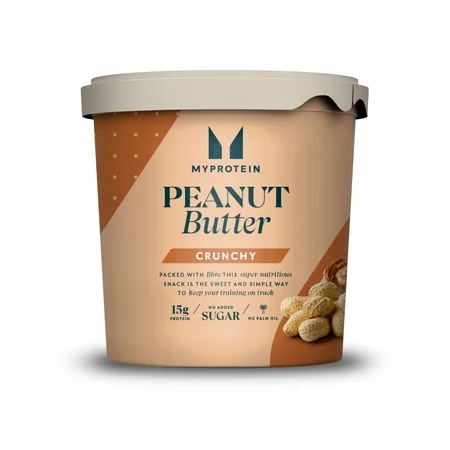
All-Natural Peanut Butter — All-Natural Peanut Butter is the everyday staple for anyone who wants a genuinely delicious spread that's also a natural source of protein.
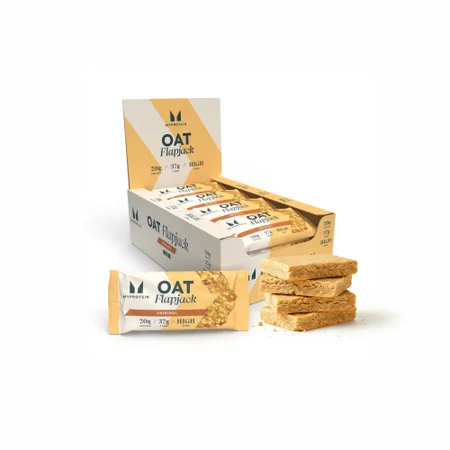
Oat Protein Flapjack — Packing 20g of protein into every bar, the Oat Protein Flapjack is built for those who want a proper on-the-go option that contributes to muscle growth and maintenance.
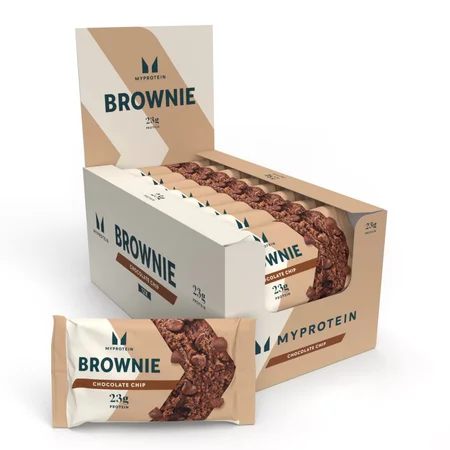
Protein Brownie — Made with real chocolate chunks and delivering at least 23g of protein per brownie, the Protein Brownie is the high-protein snack that actually tastes like a treat.
FAQs
What are high protein foods and how much protein do they contain?
High protein foods are everyday food products formulated to deliver a significantly higher protein content than their standard equivalents. In this range, many products — including the Protein Brownie and Oat Protein Flapjack — contain 20g of protein or more per serving. Protein contributes to the growth and maintenance of muscle mass1, so these foods offer a practical, food-first way to hit higher daily protein targets.
What types of protein snacks are available in this range?
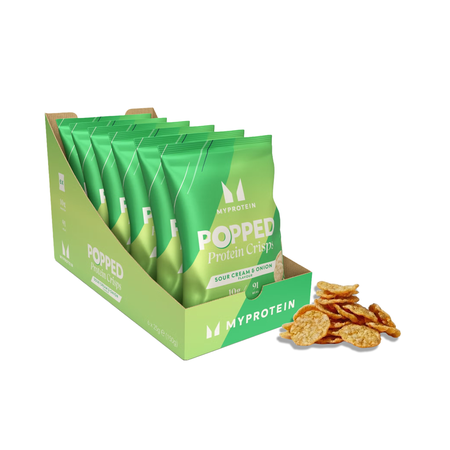
The range covers a wide variety of formats to suit different preferences and occasions. You'll find baked goods like brownies, cookies, and flapjacks; crunchy options like popped protein crisps and crispy wafers; spreadable formats like peanut butter and almond butter; and breakfast-style options like protein granola and pancake mix. There are over 20 products in total, so whether you want something indulgent or light, there's a format for you.
Which protein food would you recommend for someone new to the range?
The All-Natural Peanut Butter is a great starting point — it's a source of protein, uses straightforward ingredients, and is versatile enough to work across meals and snacks. If you want something more structured around training, the Oat Protein Flapjack delivers 20g of protein per bar and is easy to take on the go. Both are consistently popular picks that reflect what the range does well.
Are protein snacks suitable as meal replacements?
Protein snacks in this range are designed as between-meal options rather than full meal substitutes. They're built to complement a balanced diet by adding protein-rich options where you'd otherwise reach for lower-nutrient alternatives. For structured meal replacement approaches, specific products formulated to those calorie and nutrient specifications would be more appropriate.
How do protein foods differ from protein supplements like shakes and powders?
Protein foods are whole-food or food-format products — bars, cookies, nut butters, granola — that deliver protein through ingredients you'd recognise as food. Protein supplements like powders and shakes are typically more concentrated and designed for rapid, high-dose protein delivery. Both serve valid purposes; protein foods tend to be preferred when convenience, taste variety, or eating experience is the priority rather than pure macronutrient efficiency.
When is the best time to eat protein snacks?
Protein snacks work well at multiple points throughout the day. Common timing includes mid-morning between breakfast and lunch, post-training when a quick protein source is useful, or as an evening snack when hunger strikes outside of main meals. Because most products in this range are portable and ready to eat, timing is flexible — the best time is whenever it fits your routine and helps you meet your daily protein target.
Are these protein foods suitable for people who don't go to the gym?
Protein foods are a practical option for anyone looking to increase their protein intake, regardless of whether they train. People with active jobs, those who walk or cycle regularly, or anyone simply looking to make more considered food choices will find the range relevant. Protein contributes to the maintenance of muscle mass1 and normal bones2 as part of adequate daily intake — goals that apply well beyond gym-goers.
Who develops the protein food products at Myprotein?
Myprotein's expert nutritionists develop the formulations across the protein foods range. Their focus is on creating products that deliver meaningful nutritional value — particularly protein content — while maintaining the taste and texture that make them genuinely enjoyable to eat day to day. Every product in the range reflects that balance between nutrition and eating experience.
Are there protein food options for specific dietary preferences?
The range includes products suited to a variety of dietary preferences, including options based on plant-derived ingredients like the All-Natural Peanut Butter and All-Natural Almond Butter. Specific dietary suitability — such as vegetarian, vegan, or gluten-free — varies by product, so checking individual product pages for ingredient and allergen information is the most reliable approach before purchasing.
How do protein foods fit into a high protein diet plan?
Protein foods work as reliable building blocks within a high protein diet by adding structured, trackable protein to moments that might otherwise be nutritionally unplanned — snack times, post-training windows, or on-the-go eating. With products ranging from 10g to 23g of protein per serving, they give you clear nutritional data to work with when mapping out your daily intake across meals and snacks.
1. Protein contributes to a growth in muscle mass. Protein contributes to the maintenance of muscle mass.
2. Protein contributes to the maintenance of normal bones.