Amino Acids
22 Results
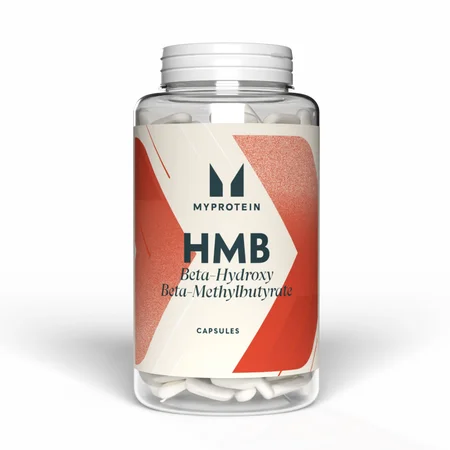
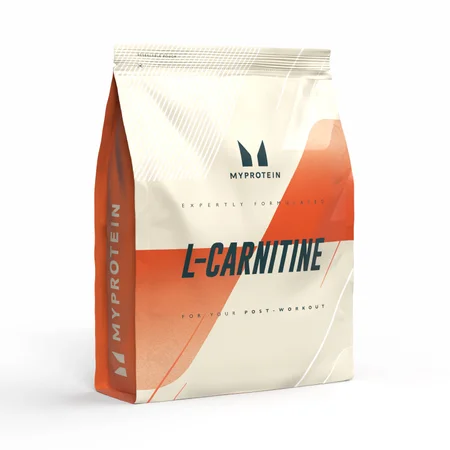
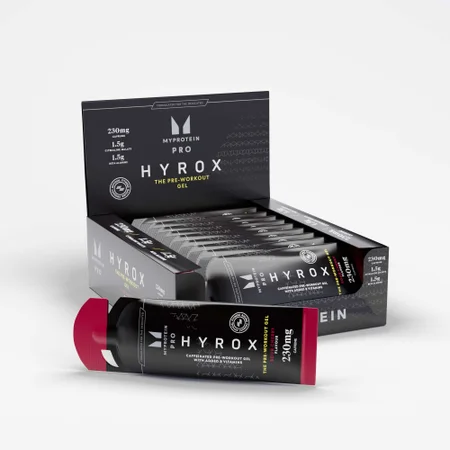
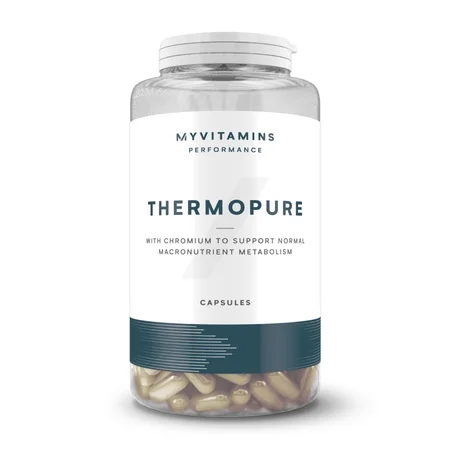
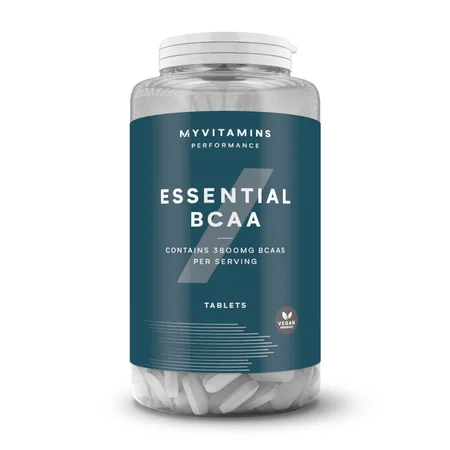
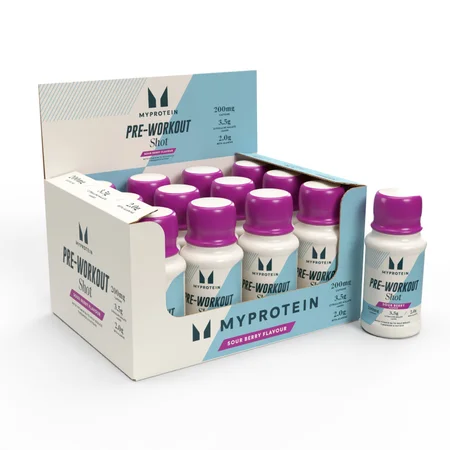
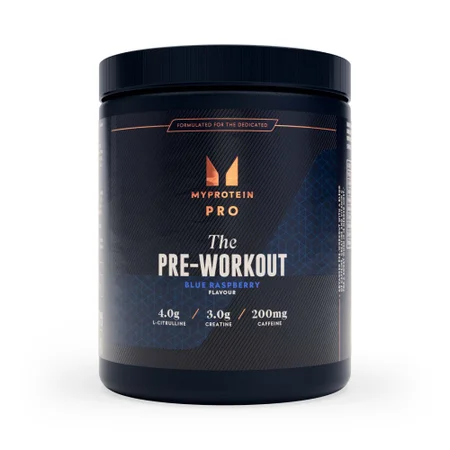
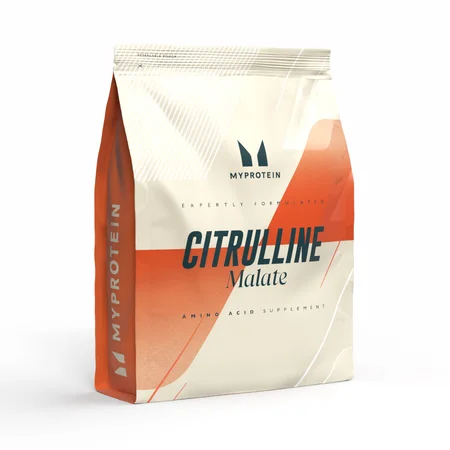
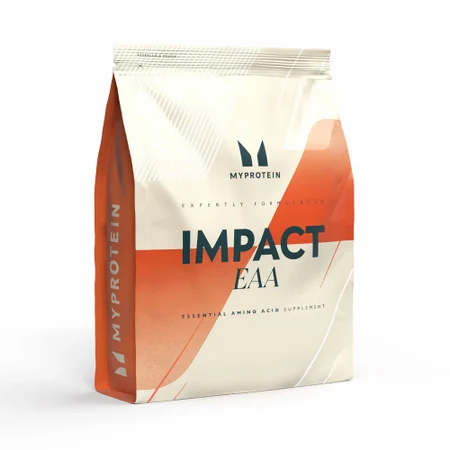

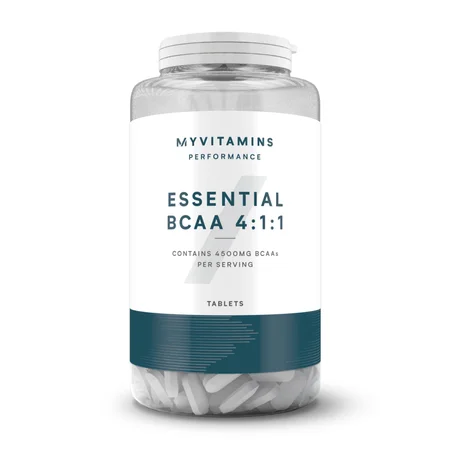
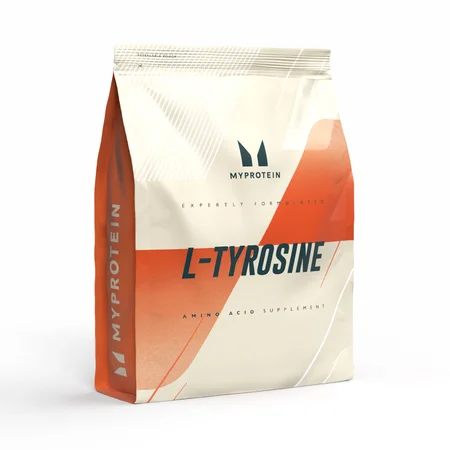
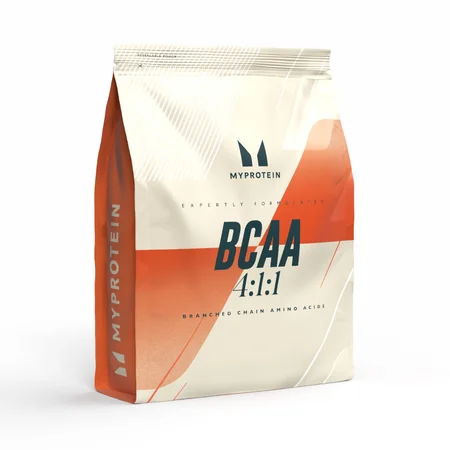
Shop Amino Acids at Myprotein
Amino acids are the building blocks of protein — and protein contributes to the growth and maintenance of muscle mass1. Whether you're training hard, staying active, or just making sure your nutrition stacks up, amino acid supplements give you a targeted, flexible way to get the specific compounds your body runs on. From essential amino acids your body can't produce itself, to conditionally essential ones that become critical during intense training periods, the range here covers the full spectrum.
The amino acids range spans capsules, tablets, powders, and liquids — so whatever your routine looks like, there's a format that fits. Single-ingredient options like glycine, L-carnitine, and L-tyrosine sit alongside multi-amino formulas like EAAs and BCAAs, giving you the precision to build a stack that's actually tailored to you.
Who Amino Acids Are For
Amino acid supplements are popular across a wide range of training goals. Strength athletes and gym-goers often use them alongside their existing protein intake — particularly EAAs and BCAAs, which are the specific amino acids found in protein that contribute to muscle growth and maintenance1. Single amino acids like L-glutamine and glycine are widely used by those who want to address specific nutritional gaps rather than broad supplementation.
Endurance athletes, team sport players, and those training multiple times a week often look to amino acid supplements to keep their nutritional foundations solid on high-volume training days. They're also a practical option for anyone who finds it harder to hit their protein targets through food alone — the powder and capsule formats make it straightforward to top up without extra meal prep.
When to Use Amino Acids
Timing varies depending on the amino acid and your training structure. EAA and BCAA products are commonly taken around training — before, during, or immediately after a session — since these are the essential amino acids that form part of complete protein. Single amino acids like glycine are often taken at other points in the day, particularly in the evening, making capsule formats especially convenient for that purpose.
L-carnitine and citrulline malate are often taken pre-workout as part of a broader pre-training stack. Pre-workout formulas in the range also contain amino acid compounds alongside other active ingredients, making them a practical all-in-one option on training days. Ultimately, the best time to take any amino acid supplement is whatever fits consistently into your routine — regularity tends to matter more than precise timing.
Amino Acids Benefits
A Complete Amino Acid Profile
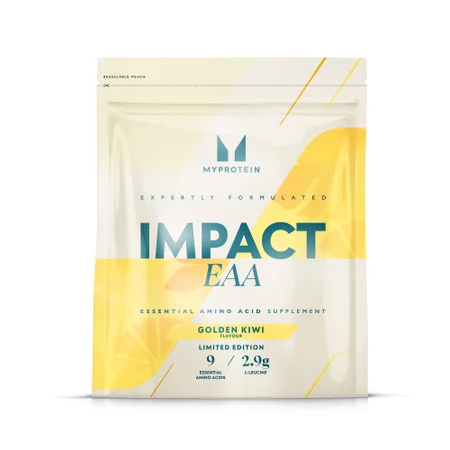
EAA (essential amino acid) products deliver all nine essential amino acids in a single serving — the ones your body can't produce on its own and must get from food or supplementation. EAAs are components of protein, and protein contributes to the growth and maintenance of muscle mass1. For anyone who wants a comprehensive amino acid hit without a full protein shake, EAA powders like Impact EAA offer a lighter, faster-mixing option.
Targeted Single Amino Acids
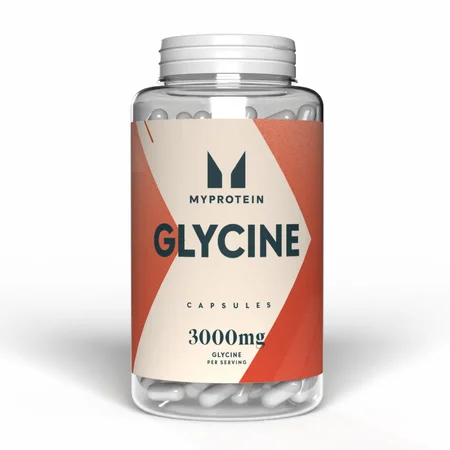
Single-ingredient amino acids let you address specific nutritional goals with precision. Glycine Capsules deliver 3g per serving in a no-fuss format, while L-carnitine — a naturally occurring amino acid — is available in both liquid capsule and powder form. This level of specificity means you can build a stack around what your training actually calls for, rather than relying on a one-size-fits-all formula.
Flexible Formats for Every Routine
The range covers everything from unflavoured powders that mix into any shake, to tablets and capsules for on-the-go convenience. Amino acid powder formats are easy to measure and adjust, while tablets and capsules need no preparation at all. That flexibility means your supplement routine doesn't need to slow you down — before, during, or after training.
Developed by Expert Nutritionists
Every product in the amino acids range is developed by Myprotein's in-house nutrition team. The formulations are grounded in nutritional science, with ingredient quality and dosing accuracy at the core. That means you get products you can trust, with transparent labelling and no guesswork on what's inside.
Popular Picks
Glycine Capsules — A straightforward way to add 3g of glycine to a high-protein or collagen-rich diet, with no mixing or measuring required.
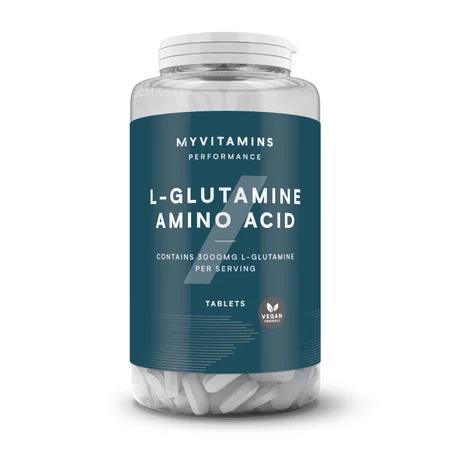
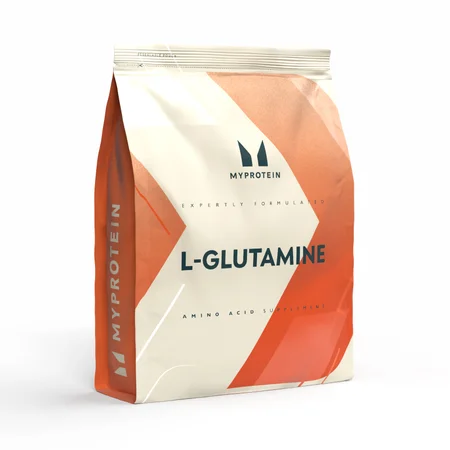
L-Glutamine Tablets — Built for any sport or training goal, these tablets deliver protein that contributes to the growth and maintenance of muscle mass.
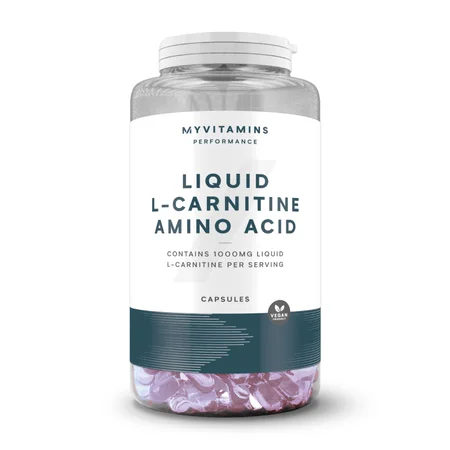
Liquid L-Carnitine Capsules — Each capsule delivers 1g of L-carnitine, a naturally occurring amino acid that fits into any fitness routine without complication.
FAQs
What are amino acids?
Amino acids are organic compounds that serve as the structural units of protein. There are 20 amino acids in total — nine of which are classified as essential, meaning the body cannot synthesise them and they must come from food or supplements. The remaining amino acids are non-essential or conditionally essential, becoming particularly important during periods of physical stress or intense training. Protein, which is made up of amino acid chains, contributes to the growth and maintenance of muscle mass1.
What is the difference between EAAs and BCAAs?
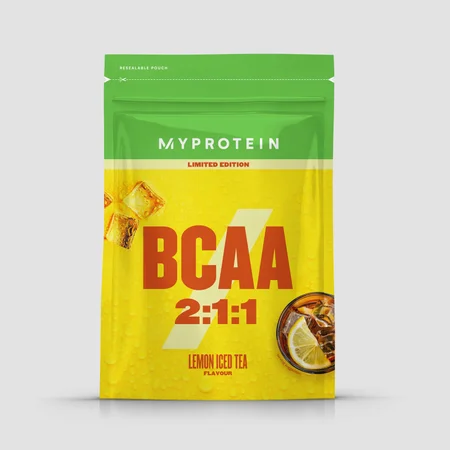
EAAs (essential amino acids) include all nine amino acids the body can't produce itself. BCAAs (branched-chain amino acids) are a subset of three — leucine, isoleucine, and valine — named for their branched molecular structure. BCAAs are part of the broader EAA family, and both are components of protein, which contributes to the growth and maintenance of muscle mass1. If you want comprehensive amino acid coverage, an EAA product covers more ground than a BCAA-only supplement.
What amino acid supplements are available at Myprotein?
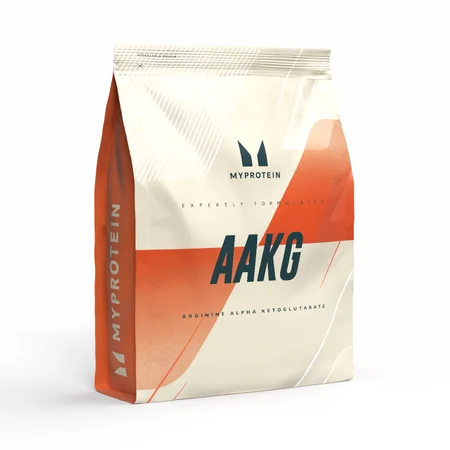
The range includes a wide variety of amino acid formats and types. You'll find essential amino acid powders, BCAA tablets and powders in various ratios, single amino acids like glycine, L-glutamine, L-tyrosine, and L-carnitine, as well as citrulline malate and AAKG. Pre-workout formulas and electrolyte blends featuring amino acid compounds are also part of the range. Formats span capsules, tablets, powders, and liquid capsules — giving you plenty of options regardless of how you prefer to supplement.
What's the difference between amino acid powder and amino acid capsules?
Amino acid powder gives you flexible dosing and mixes easily into water or a shake — useful if you want to adjust serving sizes or take amino acids during training. Amino acid capsules and tablets are pre-measured and need no mixing, making them a faster option for daily supplementation. Glycine Capsules, for example, deliver a precise 3g serving with zero prep. The best format comes down to when and how you prefer to take your supplements.
When should I take amino acid supplements?
Timing depends on the specific amino acid and your goals. EAA and BCAA products are commonly taken around training sessions. Single amino acids like glycine are often used at other points in the day. Pre-workout formulas containing amino acid compounds are designed to be taken before training. Consistency in taking your chosen supplement matters more than hitting an exact window — find a timing that fits your routine and stick to it.
Can I stack amino acids with other supplements?
Amino acids are commonly combined with other supplements as part of a broader nutrition stack. EAAs or BCAAs are frequently used alongside protein powders, creatine, and pre-workout formulas. Single amino acids like L-carnitine or L-tyrosine are often included in pre-workout stacks. Since amino acids are naturally occurring compounds found in food, they tend to fit straightforwardly into most supplement routines — though it's always worth checking the ingredient lists to avoid unnecessary doubling up.
Which amino acid supplement should I choose?
If you want to cover all nine essential amino acids in one product, an EAA formula is the most comprehensive starting point. For a convenient single-ingredient option, Glycine Capsules deliver 3g per serving with no prep needed. If you're looking for a liquid amino acid in capsule form, Liquid L-Carnitine Capsules provide 1g of L-carnitine per serving as a naturally occurring amino acid. The right choice depends on which amino acids you're looking to add to your routine and the format that works best for your lifestyle.
Who develops the amino acid products at Myprotein?
Myprotein's expert nutritionists develop every amino acid product in the range. The team focuses on ingredient quality, accurate dosing, and transparent labelling — so you know exactly what you're getting in each serving. That nutritional expertise sits behind every formula, from single-ingredient capsules through to multi-amino pre-workout blends.
Are amino acid supplements suitable for vegetarians and vegans?
Many amino acid supplements in the range are suitable for vegetarians and vegans, particularly powders and tablets. Amino acids themselves can be derived from both animal and plant sources, so it's worth checking the individual product page for specific dietary information. Product labels clearly indicate suitability, making it straightforward to find an option that fits your dietary preferences.
How do amino acid supplements differ from protein powders?
Protein powders are whole-food-derived products that contain amino acids as part of a complete protein matrix — typically delivering 20g or more of protein per serving. Amino acid supplements isolate specific compounds and deliver them directly, without the broader macronutrient content of a protein shake. Both are sources of the amino acids that form protein, which contributes to the growth and maintenance of muscle mass1. Amino acid supplements tend to be lighter, faster-absorbing in liquid form, and easier to take in specific targeted doses.
1. Protein contributes to the growth and maintenance of muscle mass.