BCAA
Explore our range of BCAAs to find the right supplement for you. Our supplements come in a variety of forms, including tablets, perfect for when you are on the go.
6 Results


Shop BCAA at Myprotein
BCAAs — branched chain amino acids — are three of the nine essential amino acids your body can't make on its own: leucine, isoleucine, and valine. Unlike most amino acids, BCAAs are metabolised directly in muscle tissue rather than the liver, which is why they've become a staple in the training community. Every BCAA supplement in this range is built around these three amino acids, delivered in precise ratios and formats to suit different training styles and preferences.
The range covers everything from straightforward tablets to intra-workout blends with added carbohydrates and vitamins. Whether you want a no-frills BCAA tablet you can pocket at the gym or a more comprehensive formula to sip during training, there's a format here for you. BCAAs naturally occur in protein, and protein contributes to the growth and maintenance of muscle mass1 — these supplements give you the amino acid component in a concentrated, convenient form.
Who BCAAs Are For
BCAAs are a popular choice among people who train regularly and want to keep their amino acid intake consistent — particularly those who train fasted, between meals, or in sessions where a full protein shake isn't practical. Athletes across strength sports, endurance training, and team sports all incorporate BCAAs into their routines at different points in the day.
They're also well suited to people who already eat a high-protein diet but want the specific amino acid profile — leucine, isoleucine, and valine — without the calories that come with a full protein source. Experienced gym-goers and beginners alike use BCAA supplements as a flexible addition to their existing nutrition strategy.
When to Use BCAA
Most people take BCAAs around their training session — before, during, or after. Taking them pre-workout or intra-workout is particularly common among those training in a fasted state or on lower-calorie days, when dietary protein intake may be reduced. Intra-workout use is straightforward with a powder format mixed into water, keeping amino acids available throughout the session.
Tablets offer a more practical option when you're on the move or prefer not to carry a shaker. Some people split their BCAA intake across the day rather than taking everything in one dose, fitting them in between meals as part of a structured nutrition plan. There's no single right approach — how you use them depends on your training schedule and dietary habits.
BCAA Benefits
Three Essential Amino Acids in One
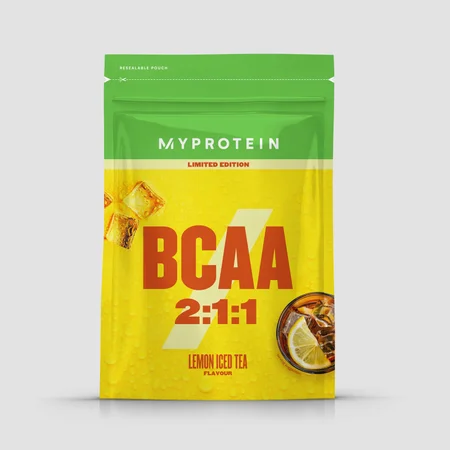
Leucine, isoleucine, and valine are essential amino acids, meaning they must come from diet or supplementation. BCAA supplements bring all three together in a single, convenient dose. Different products in this range offer different ratios — 2:1:1 and 4:1:1 (leucine to isoleucine to valine) — giving you options depending on how much leucine you want to prioritise in your stack.
Built Into Your Training Routine
BCAAs come in tablet and powder formats, making them easy to fit around different lifestyles. Tablets are portable and discreet — no mixing required. Powder formats dissolve into water and can be sipped throughout a session. Some formulas, like Origin Intra-Workout, combine BCAAs with cyclic dextrin — a fast-absorbing carbohydrate — giving you amino acids and fuel in one drink.
A Source of Protein's Building Blocks
BCAAs are the amino acids that make up a significant portion of protein found in muscle tissue. Protein contributes to the growth and maintenance of muscle mass1, and BCAAs are essential amino acids that form part of complete protein. For those tracking their amino acid intake carefully, a dedicated BCAA supplement lets you top up these three specifically, independent of full protein sources.
Added Nutrients in Select Formulas
Some products go beyond the core three. BCAA 4:1:1 Tablets include vitamin B6, which contributes to normal protein and glycogen metabolism2 — a relevant addition for people focused on how their body processes what they eat and drink around training. These kinds of formulations give you more than just amino acids in a single tablet.
Popular Picks
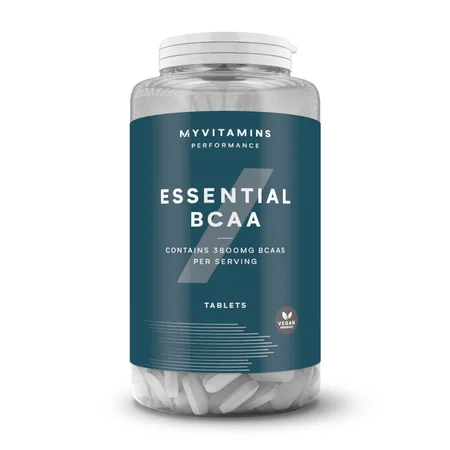
Essential BCAA Tablets — Built around a 2:1:1 ratio of leucine, isoleucine, and valine — the same BCAAs that naturally occur in protein, which contributes to the growth and maintenance of muscle mass — with added vitamin B6, which contributes to the reduction of tiredness and fatigue.
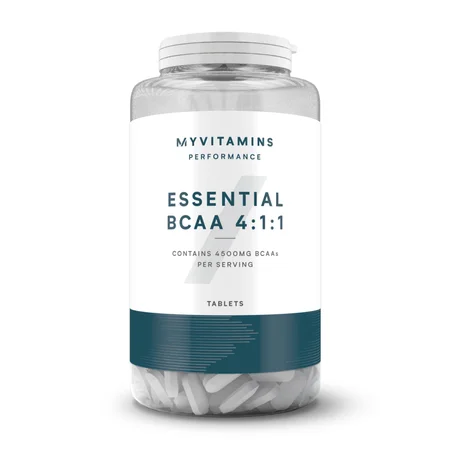
BCAA 4:1:1 Tablets — A 4:1:1 leucine-heavy formula with added vitamin B6 for those who want a higher leucine ratio than standard BCAA products deliver.
Origin Intra-Workout — Designed for training sessions where you need carbohydrates and amino acids together, combining 30g of fast-absorbing cyclic dextrin, 9g of essential amino acids in a 4:1:1 BCAA ratio, and magnesium, which contributes to a reduction in tiredness and fatigue.
FAQs
What are BCAAs?
BCAAs are branched chain amino acids — specifically leucine, isoleucine, and valine. They're three of the nine essential amino acids, meaning the body can't synthesise them and they must come from food or supplementation. Unlike most amino acids, BCAAs are metabolised in muscle tissue rather than the liver. They're naturally found in protein-rich foods and are available in concentrated supplement form as tablets or powder.
What is the difference between BCAA 2:1:1 and 4:1:1?
The ratio refers to the proportion of leucine to isoleucine to valine. A 2:1:1 ratio means twice as much leucine as the other two amino acids. A 4:1:1 ratio doubles the leucine proportion again, making it the dominant amino acid in the blend. Leucine is the most studied of the three BCAAs. Both ratios provide all three essential amino acids — the choice comes down to how much leucine you want relative to the other two. Essential BCAA Tablets use a 2:1:1 ratio, while BCAA 4:1:1 Tablets offer the higher leucine formula.
What is the best BCAA supplement for training?
The right BCAA supplement depends on how and when you plan to use it. For intra-workout use, Origin Intra-Workout combines a 4:1:1 BCAA ratio with 9g of essential amino acids and 30g of cyclic dextrin, making it a fuller training formula. For a straightforward tablet you can take before or after a session, Essential BCAA Tablets deliver leucine, isoleucine, and valine in a clean 2:1:1 ratio. If added nutrients matter to you, BCAA 4:1:1 Tablets include vitamin B6, which contributes to normal protein and glycogen metabolism2.
When should I take BCAA supplements?
BCAAs are typically taken around training — before, during, or after a workout. Intra-workout is a popular choice, especially for those training fasted or between meals. Powder formats mix easily into water for sipping during a session, while tablets are more practical if you prefer a quick, no-fuss option pre- or post-workout. Some people also take BCAAs between meals as part of a structured amino acid intake strategy.
Do BCAAs contain protein?
BCAAs themselves are amino acids rather than complete proteins, but they are essential components of protein. Leucine, isoleucine, and valine naturally occur in protein-rich foods and are part of what makes up a complete protein profile. Protein contributes to the growth and maintenance of muscle mass1, and BCAAs are among the key amino acids that form part of that protein. A BCAA supplement gives you these three specifically, without the full macronutrient profile of a protein powder.
Can I take BCAAs with other supplements?
BCAAs are commonly stacked with protein powders, creatine, and pre-workout formulas. They slot naturally into a supplement routine without requiring specific timing relative to other products. If you're already using a high-protein diet or protein shakes, BCAAs add the three branched chain amino acids specifically — something a full protein shake also provides, but in a different format and context.
What formats are BCAA supplements available in?
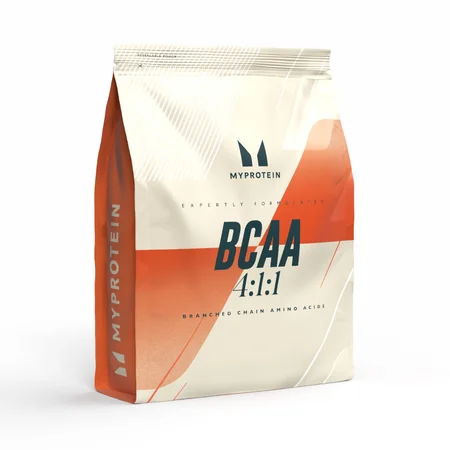
The range includes tablets and powders. Tablets — like Essential BCAA Tablets and BCAA 4:1:1 Tablets — are portable and require no preparation. Powder formats, including Essential BCAA 4:1:1 Powder and Origin Intra-Workout, mix into water and are suited to intra-workout use. Impact BCAA 2:1:1 and Impact EAA are also available as powders. The breadth of the range means you can choose the format that fits your routine rather than adapting your routine to fit the format.
Are BCAAs the same as EAAs?
BCAAs are a subset of essential amino acids (EAAs). There are nine essential amino acids in total; BCAAs account for three of them — leucine, isoleucine, and valine. An EAA supplement provides all nine essential amino acids, while a BCAA product focuses on those three specifically. Impact EAA is available in the range for those who want the complete essential amino acid profile, while the BCAA products are tailored to those who want the branched chain trio in higher concentrations.
Who formulates Myprotein's BCAA supplements?
Myprotein's BCAA supplements are developed by Myprotein's expert nutritionists. Every product is formulated to deliver accurate amino acid ratios with quality ingredients, whether that's a straightforward 2:1:1 tablet or a more complex intra-workout blend combining BCAAs, essential amino acids, and fast-absorbing carbohydrates.
Are BCAA supplements suitable for vegetarians and vegans?
Many BCAAs in this range are suitable for vegetarians and vegans — check the individual product pages for specific dietary suitability information, as formulations vary across the range. The product pages include full ingredient and allergen information so you can make an informed choice based on your dietary requirements.
1. Protein contributes to the growth and maintenance of muscle mass.
2. Vitamin B6 contributes to normal protein and glycogen metabolism.