Milk Protein
Our range of high-quality milk protein and casein are the perfect alternatives to whey protein. Packed with slow-releasing protein, they help to grow and maintain muscle between meals, and even while you sleep.
11 Results
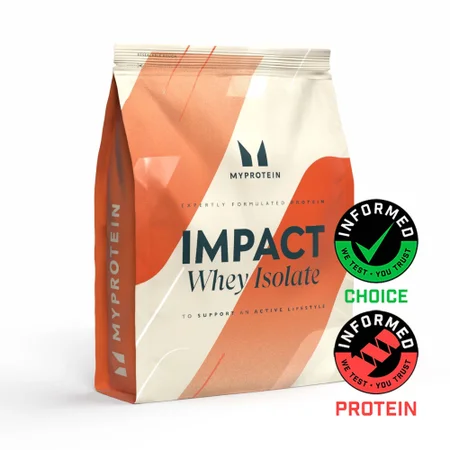
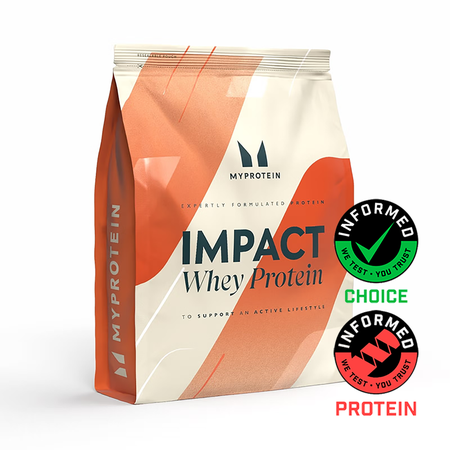
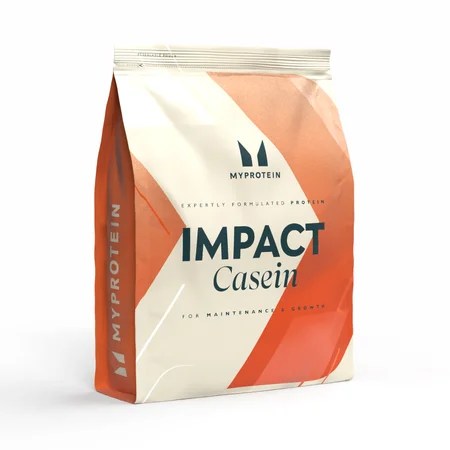
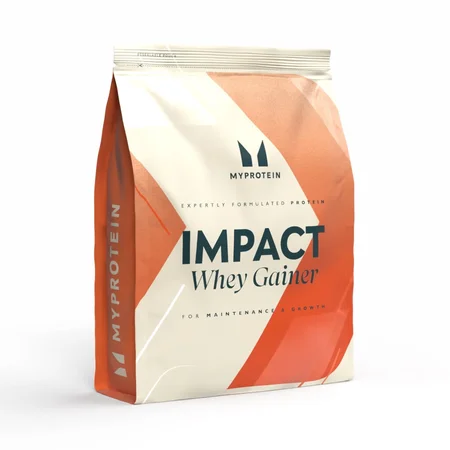
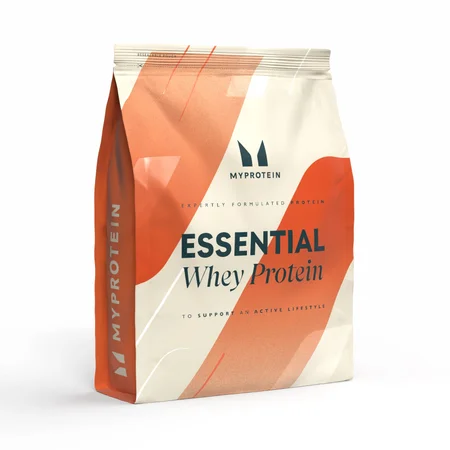
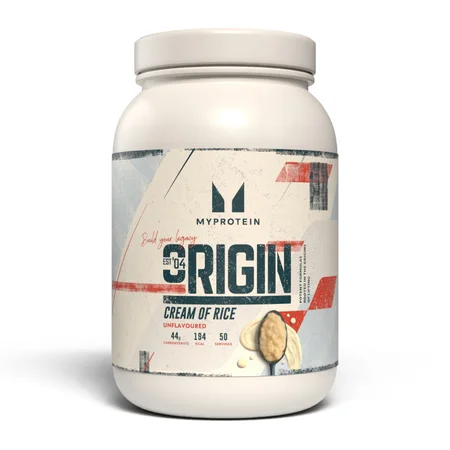
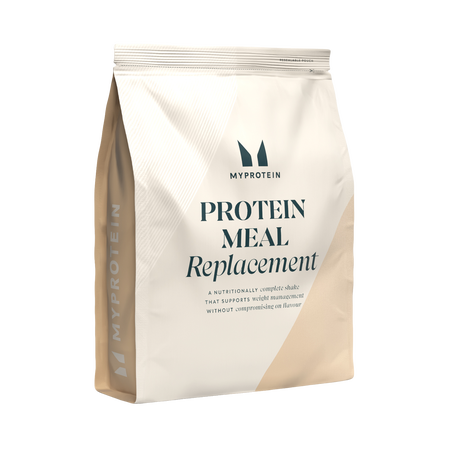
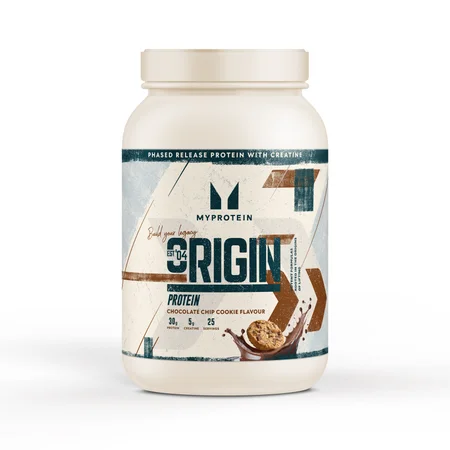
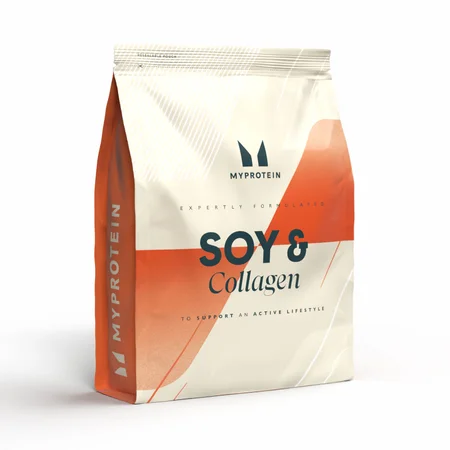
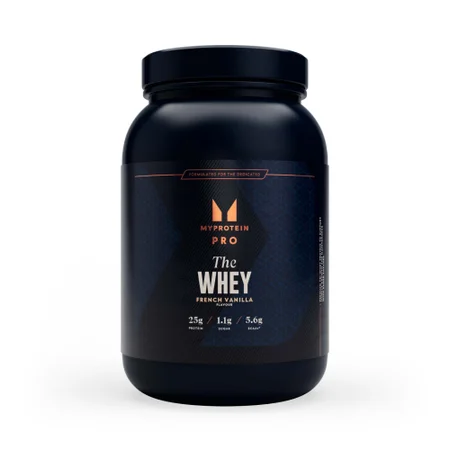
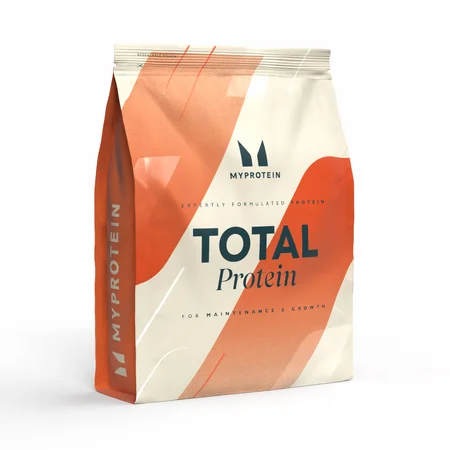
Shop Milk Protein at Myprotein
Milk protein is one of the most complete and versatile protein sources available, delivering the full spectrum of amino acids your body needs. Derived from cow's milk, it combines two distinct protein fractions — whey and casein — in their naturally occurring ratio, giving you both fast-acting and sustained protein in a single source. Whether you're after a post-session shake, a meal supplement, or a slow-release option before bed, milk protein powder covers the full range.
The range spans powders in multiple formats and flavours, with options designed for different training goals and dietary preferences. From lean isolates delivering up to 26g of protein per serving, to casein-based formulas and specialist blends, there's a milk protein supplement for every routine and every goal.
Who Milk Protein Are For
Milk protein is a natural fit for anyone who trains regularly and wants to hit their daily protein targets without overcomplicating their nutrition. It's particularly well-suited to those who prefer whole-food-derived protein sources, since milk protein retains the natural blend of whey and casein as found in dairy. Whether you lift weights, run, cycle, or mix your training, milk protein slots easily into a structured nutrition plan.
It's also a practical choice for people looking to diversify beyond single-source protein. Because milk protein contains both fast-releasing whey and slower-digesting casein, it works across different windows in the day rather than being locked into one specific use case. If you're already eating well and simply want to top up your intake with a high-quality, complete protein source, milk protein powder is a straightforward option.
When to Use Milk Protein
The dual-protein nature of milk protein makes it flexible across the day. Whey-dominant milk protein products, like Impact Whey Isolate Powder or Impact Whey Protein Powder, are commonly taken post-workout when speed of digestion is a priority. The whey fraction is fast-absorbing, making these a popular post-session choice among those who want to get protein in quickly after training.
Casein-based options such as Impact Micellar Casein Powder sit at the other end of the spectrum, releasing protein more slowly over time. Many people choose to take casein in the evening, as it provides a sustained supply of amino acids through longer periods without food. Blended milk protein products offer a middle ground, making them a practical choice throughout the day — between meals, as a morning shake, or as a convenient top-up whenever protein intake needs a boost.
Milk Protein Benefits
A Complete Amino Acid Profile
Milk protein is a complete protein source, meaning it contains all nine essential amino acids. This makes it comparable to other high-quality animal-derived proteins and a reliable foundation for anyone tracking their amino acid intake alongside a training routine.
Protein That Works Across the Day
Because milk protein naturally contains both whey and casein, different products within the range suit different times of day. Fast-absorbing whey formats work well post-workout, while slower-releasing casein options are built for longer overnight periods. Protein contributes to the growth and maintenance of muscle mass1 and the maintenance of normal bones2.
High Protein, Controlled Calories
Many milk protein products deliver a high protein yield per serving without excessive calories. Impact Whey Protein Powder, for example, provides up to 23g of protein per serving at just 114 calories — making it straightforward to meet protein targets without significantly affecting overall calorie intake.
Wide Range of Formats and Flavours
The milk protein range covers everything from ultra-lean isolates to mass gainers and meal replacement blends, available across a broad selection of flavours. Whether you want a simple unflavoured powder or something more indulgent, there's a format and flavour to match your preference and goals.
Popular Picks
Impact Whey Isolate Powder — If you want maximum protein for minimum calories, Impact Whey Isolate delivers up to 26g of fast-absorbing protein per serving at just 109 calories.
Impact Whey Protein Powder — A no-fuss everyday protein with up to 23g of high-quality protein per serving, under 2g of fat, and under 2g of carbs — all for just 114 calories.
Impact Micellar Casein Powder — Built around 23g of slow-release protein per serving with a complete amino acid profile, Impact Micellar Casein is the one to reach for before bed.
FAQs
What is milk protein powder?
Milk protein powder is a supplement derived from cow's milk, containing the two naturally occurring protein fractions found in dairy — whey and casein. Whey is fast-absorbing, while casein digests more slowly, making milk protein a versatile source of complete protein. Products within the range vary in their whey-to-casein ratio depending on the format, from lean isolates to micellar casein powders and blended options.
What's the difference between milk protein and whey protein?
Whey protein is isolated from the whey fraction of milk — it's fast-absorbing and typically used post-workout. Milk protein, in its broader sense, refers to the full protein content of milk, which includes both whey (around 20%) and casein (around 80%). A product like Impact Micellar Casein Powder, for example, is predominantly casein — the slower-digesting component — whereas Impact Whey Isolate Powder focuses on fast-absorbing whey, delivering up to 26g of protein per serving.
Is milk protein good for muscle building?
Milk protein is a complete protein source containing all nine essential amino acids. Protein contributes to the growth and maintenance of muscle mass1, and milk-derived proteins are among the most studied and widely used by people who train regularly. Products like Impact Whey Protein Powder provide up to 23g of high-quality protein per serving, making it easy to meet daily protein targets alongside a training programme.
When should I take milk protein powder?
Timing depends on the type of milk protein you're using. Whey-based products are commonly taken after training, while casein-based options such as Impact Micellar Casein Powder — which provides 23g of slow-release protein per serving — are often used in the evening. Blended formulas work well at any point in the day, including between meals or as a convenient top-up when dietary protein intake is lower than usual.
How many grams of protein do milk protein powders contain?
Protein content varies by product and format. Impact Whey Isolate Powder delivers up to 26g of protein per serving, Impact Whey Protein Powder provides up to 23g per serving, and Impact Micellar Casein Powder contains 23g per serving. Mass gainers and meal replacement blends within the range will differ again — check individual product pages for exact nutritional breakdowns per serving.
What formats of milk protein are available?
The milk protein range covers a broad spread of formats, including fast-absorbing whey isolates, hydrolysed whey, micellar casein, total protein blends, mass gainers, meal replacement blends, and specialist options like collagen protein and products with added creatine. Most are available in powder form across a wide selection of flavours, with serving sizes designed for flexible use throughout the day.
Can milk protein be used as a meal replacement?
Some products within the range, such as Protein Meal Replacement Blend, are specifically formulated with a meal replacement use case in mind. These typically combine protein with carbohydrates, fats, and micronutrients to provide a more complete nutritional profile. Substituting two daily meals of an energy-restricted diet with meal replacements contributes to weight loss3, and substituting one daily meal contributes to the maintenance of weight after weight loss4.
Who developed the milk protein products at Myprotein?
Myprotein's milk protein range is developed by Myprotein's expert nutritionists, who formulate each product to meet specific training and nutritional goals. From high-protein isolates to blended formulas and specialist options, each product is designed with clear use cases in mind, backed by expertise in sports nutrition.
Is milk protein suitable for everyday use?
Milk protein powder is designed to be used as part of a balanced daily diet. It's a practical way to top up protein intake on both training and rest days. Protein contributes to the maintenance of muscle mass1, so consistent daily intake alongside adequate food is a common approach for those with active lifestyles. Always read the label and use as directed.
Which milk protein should I choose?
The right choice depends on when and why you're using it. For a fast-absorbing, high-protein option post-workout, Impact Whey Isolate Powder delivers up to 26g of protein per serving with an ultra-high protein content. For a lean everyday option, Impact Whey Protein Powder offers up to 23g of protein at just 114 calories per serving. If you're looking for something to take in the evening, Impact Micellar Casein Powder provides 23g of slow-release protein with a complete amino acid profile.
1. Protein contributes to the growth and maintenance of muscle mass.
2. Protein contributes to the maintenance of normal bones.
3. Substituting two daily meals of an energy restricted diet with meal replacements contributes to weight loss.
4. Substituting one daily meal of an energy restricted diet with a meal replacement contributes to the maintenance of weight after weight loss.