Diet Protein
5 Results
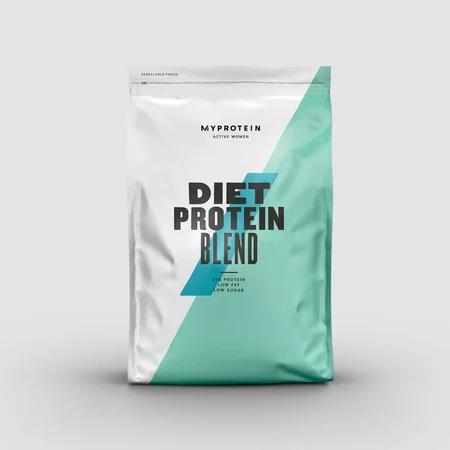
Shop Diet Protein at Myprotein
Diet protein powder is built for one thing: keeping your protein intake high while managing calories. Whether you're in a calorie deficit, cutting body fat, or simply trying to eat cleaner without sacrificing the nutrients your training demands, a dedicated diet protein gives you the macro profile to make it work. These aren't just standard protein powders with a rebrand — they're formulated with lower calories, reduced carbs, and added ingredients that make them genuinely useful when you're watching what you eat.
The range includes options across different protein sources and formats, from fast-absorbing whey isolate to collagen-based blends, so you can find something that fits your goals, dietary needs, and daily routine. Each product is developed by Myprotein's expert nutritionists to deliver meaningful protein content without unnecessary extras.
Who Diet Protein Powders Are For
Diet protein is a strong fit for anyone who trains regularly and is actively trying to reduce body fat or maintain a lean physique. If you're tracking macros and hitting your protein target is proving harder than hitting your calorie ceiling, this category closes that gap. Protein contributes to the growth and maintenance of muscle mass1, which matters particularly when you're in a deficit and want to hold on to the muscle you've built.
It's also a practical option for people who want a lower-calorie alternative to standard protein shakes without sacrificing taste or texture. If you find yourself reaching for snacks between meals, a diet protein shake can be a straightforward way to increase your protein intake as part of a structured eating plan.
When to Use Diet Protein
Timing flexibility is one of the advantages of diet protein powder. Post-workout is the most common use case — after training, protein contributes to muscle mass maintenance1, and a fast-absorbing option like a whey isolate fits neatly into that window. Many people also use it first thing in the morning as a quick, high-protein breakfast that keeps calories controlled from the start of the day.
As a meal replacement or between-meal shake, diet protein works particularly well when you need something quick and structured rather than reaching for higher-calorie food options. The key is consistency — getting enough protein across the day, spread across meals and shakes, is more important than any single timing rule.
Diet Protein Benefits
High Protein, Managed Calories
Diet protein powders are engineered with a lean macro profile — high protein per serving with lower fat and carbohydrate content than standard blends. This makes it easier to hit your protein targets without eating into your daily calorie allowance. Protein contributes to the maintenance of muscle mass1, so keeping intake consistent during a cut is a practical priority.
Range of Protein Sources
The range spans whey isolate, hydrolysed whey, collagen, and blended formulas, so there's a format to suit different preferences and digestion styles. Whey isolate is filtered to deliver a higher protein concentration with minimal lactose, while hydrolysed whey is broken down into smaller peptides for faster absorption. Collagen protein offers a different amino acid profile, useful for those looking to vary their protein sources.
Added Functional Ingredients
Some diet protein formulas go beyond just protein. Impact Diet Whey, for example, includes choline, which contributes to normal lipid metabolism2 and the maintenance of normal liver function3. These added ingredients are included at meaningful levels, not just for label presence.
Flexible Formats and Flavours
Diet protein is available in a wide range of flavours and formats, including powders and sample pouches so you can trial before committing to a larger bag. Whether you prefer shaking up a single-ingredient isolate or a more complex blend, there's a format that fits your routine without requiring a complete overhaul of how you eat.
Popular Picks
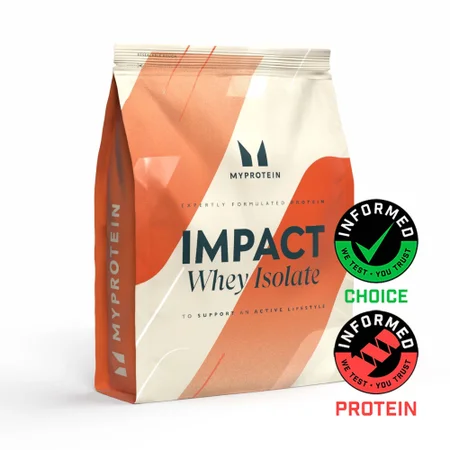
Impact Whey Isolate Powder — If you want serious protein without the calories, Impact Whey Isolate delivers up to 26g of fast-absorbing protein per serving for just 109 calories.
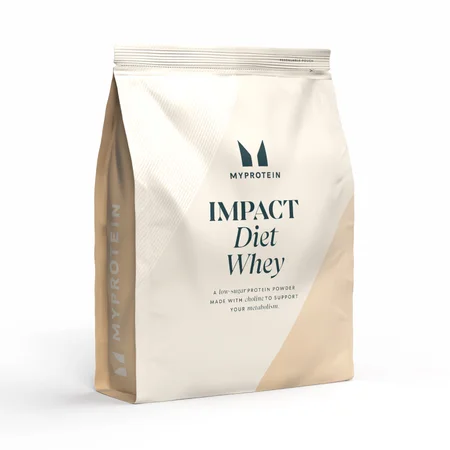
Impact Diet Whey — Impact Diet Whey packs up to 36g of protein per serving alongside added choline, green tea extract, and CLA for those who want more from their shake.
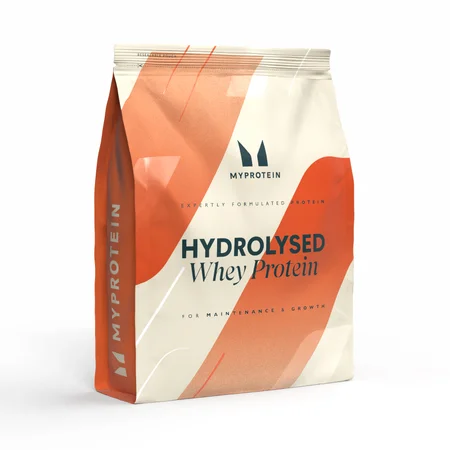
Hydrolysed Whey Protein Powder — Hydrolysed Whey Protein Powder is partially pre-digested by enzymes before it ever reaches you, delivering 24g of protein per serving that gets to work fast.
FAQs
What is diet protein powder and how does it differ from regular protein powder?
Diet protein powder is a protein supplement formulated with a leaner macro profile than standard protein products — typically higher protein per serving with reduced carbohydrates and fat. Regular protein powders prioritise protein content but may include higher calorie counts from added carbs or fats. Diet versions are specifically built to fit a calorie-managed plan, making them a practical choice when you want to keep protein intake high without increasing overall calorie consumption.
What is the best diet protein powder for weight loss?
Impact Diet Whey is one of the most popular options for those managing their weight, delivering up to 36g of protein per serving alongside choline, which contributes to normal lipid metabolism2. If you're after something with an ultra-lean profile and rapid absorption, Impact Whey Isolate Powder provides up to 26g of fast-absorbing protein with minimal extras. The right choice depends on your specific macro targets and how you're structuring the rest of your diet.
How much protein do I need when trying to lose fat?
Most active people aiming to lose fat while preserving muscle aim for somewhere between 1.6g and 2.2g of protein per kilogram of bodyweight daily, though individual needs vary depending on training volume and overall calorie intake. Protein contributes to the maintenance of muscle mass1, which becomes particularly relevant when you're eating in a deficit. Diet protein shakes are a straightforward way to close the gap between what you're eating and what your targets require.
Can I use diet protein powder as a meal replacement?
Diet protein shakes can function as part of a structured eating plan, but they're not nutritionally complete meal replacements in the regulated sense unless specifically formulated as such. They work well as a high-protein, lower-calorie option between meals or as a quick breakfast — particularly useful when whole food options aren't practical. For a full meal replacement, look at products specifically labelled and formulated for that purpose.
What protein sources are available in the diet protein range?
The range covers several protein types to suit different preferences. Whey isolate is filtered for high protein concentration and low lactose content. Hydrolysed whey is broken down into smaller peptides for faster uptake. Collagen protein offers a distinct amino acid profile for those looking to diversify their intake. There are also blended formulas that combine ingredients for a broader nutritional profile. Sample formats are available to try before buying a full-size bag.
Is lean protein powder suitable for women?
Diet and lean protein powders are suitable for anyone looking to maintain a high protein intake while managing calories — there's nothing gender-specific about the formulas. Women who train regularly and are working towards fat loss or body composition goals will find the macro profiles in these products just as relevant as men in the same situation. The range includes a variety of flavours and formats to suit different tastes.
Who developed the diet protein range?
The diet protein range was developed by Myprotein's expert nutritionists, who design each formula to deliver meaningful protein content alongside a macro profile suited to calorie-managed training. Ingredients are selected and dosed with purpose, not just added for label appeal — that includes functional additions like choline in Impact Diet Whey, included at levels that serve a nutritional role.
When is the best time to take a fat loss protein powder?
There's no single optimal time — consistency across the day matters more than any precise window. Post-workout is a common and practical choice, as the body is primed to use protein at that point. First thing in the morning works well for those who skip breakfast or need a quick high-protein start. Between meals is another option when hunger tends to spike and lower-calorie, high-protein intake is useful.
How many servings per day do I need?
One to two servings per day is typical for most people using diet protein as a supplement to their food intake. The right number depends on how much protein you're already getting from meals and how far you are from your daily target. Diet protein is designed to supplement a balanced diet, not replace whole food sources of protein entirely — variety in your protein sources across the day is the practical approach.
What formats and sizes are available in the diet protein range?
Diet protein is available as powders in multiple bag sizes, with sample pouches available for products like Impact Diet Whey so you can test a flavour before committing to a larger quantity. The range covers several protein sources and flavour options, giving you flexibility to find a product that genuinely works for your palate and your plan. Both single-ingredient and blended formats are stocked.
1. Protein contributes to the growth and maintenance of muscle mass.
2. Choline contributes to normal lipid metabolism.
3. Choline contributes to the maintenance of normal liver function.